
How Early Muslim Communities Preserved Revelation: Tools, Memory, and Trust Explained
Early Muslim communities knew that the words of revelation needed careful protection. These words shaped their beliefs, their lives, and future generations. Relying only on memory or scattered notes wouldn’t be enough. Instead, people combined strong memorization, written records, and strict community checks to keep the message safe.
Muslim scholars highlight how groups of skilled memorizers (called huffaz) and trusted scribes worked together. Scribes wrote down verses as soon as they were revealed, using anything they had—palm leaves, parchment, even bones. Whole groups learned the words by heart, reciting often as a community. To many, this teamwork built reliability and trust.
Some modern historians ask how strong these methods really were. The big questions are: What tools did they use? How did memory shape what was passed down? Who made sure the message stayed true? Looking at the tools, memory, and trust behind the preservation helps us see why so many people today still consider these early efforts reliable.
If you want a video introduction to this topic, check out The FULL STORY of the QUR'AN - Every Muslim Must KNOW This.
Oral Transmission: The Heart of Early Preservation
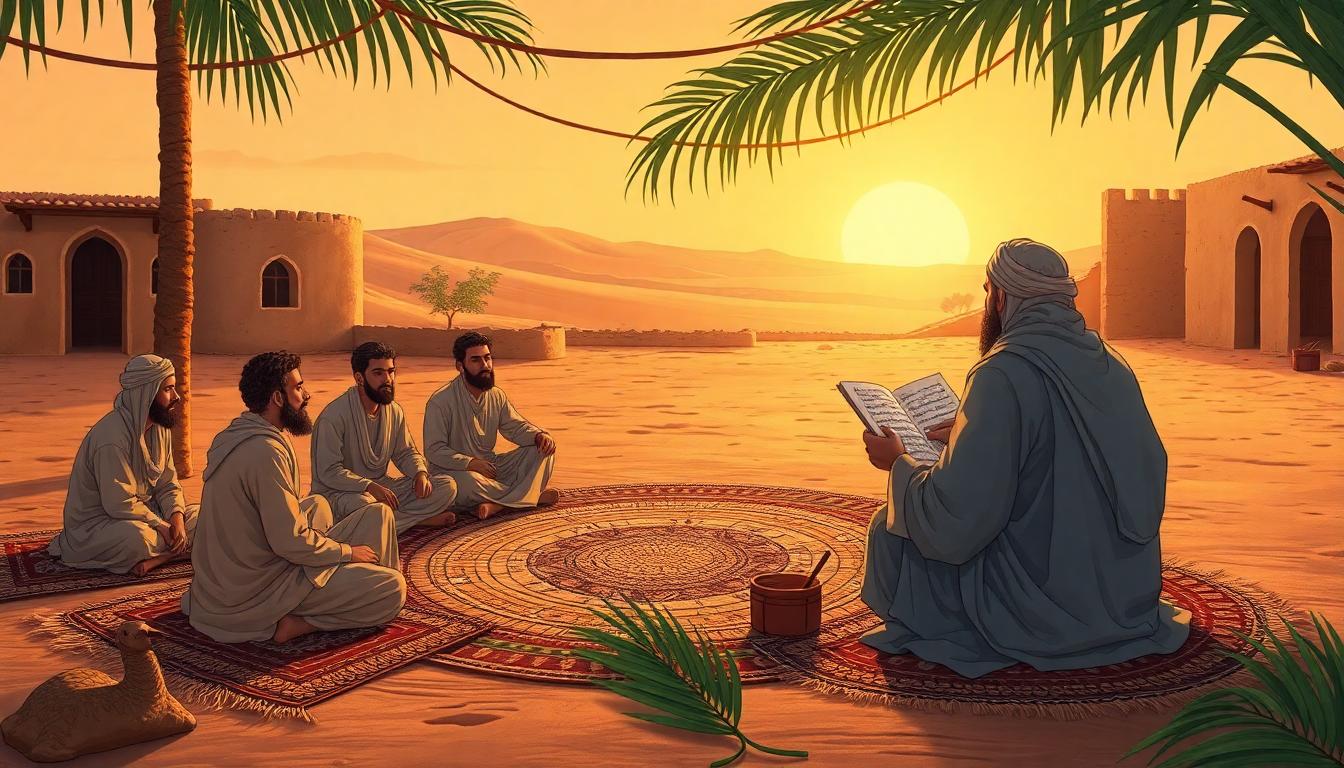
In 7th-century Arabia, sharing knowledge out loud was the way of life. The early Muslim community was no exception. Long before printed books, people carried vital information in their minds and shared it with their voices. Preserving the message of the Qur’an was not just about writing; it was deeply tied to the habits and values of an oral culture. This section looks at how the first Muslims used their memories, their gatherings, and their trusted relationships to keep the message safe.
A Culture Shaped by Memory
The Arabs of the time lived in a world where poetry, stories, and rules traveled by word of mouth. Large chunks of poetry and tribal history could be recalled on demand, even by children. In this environment, memorizing long texts was not rare or difficult; it was almost expected. This background helped the early Muslim community trust and rely on their memories to protect the words of revelation.
- Recitation was common: Public gatherings and marketplace contests rewarded those who remembered best.
- Strong oral habits: Lineages, treaties, and poetry all depended on people who could repeat exact words without mistakes.
- No printing: With paper rare and expensive, memory held a place of honor.
Prophet Muhammad’s Teaching Methods
The central figure in this process was Prophet Muhammad. He delivered each new passage of revelation out loud to his companions. Sometimes he would repeat verses several times, either in small groups or in big gatherings. His habits shaped a community where hearing, speaking, and repeating sacred words become a trusted pattern.
- In personal teaching, Muhammad recited verses face-to-face to his closest students.
- He often led group recitations, making sure many people heard and memorized at once.
- Communal prayers became powerful tools, with large groups repeating the Qur’an’s verses as part of daily worship.
This approach made every new passage a public event. It let many witnesses spread the words far beyond their original circles.
The Role of Huffaz and Qurra’
Dedicated memorizers quickly emerged, known as huffaz (those who memorized the whole Qur’an) and qurra’ (expert reciters). These people trained their minds to keep large parts—sometimes all—of the revelation safe. New students, hungry to learn, would recite back to the experts in a cycle that corrected slips and removed errors.
Key qualities of these memorizers:
- Focus: They set aside special time every day for learning by heart.
- Regular review: Frequent recitation helped catch mistakes early.
- Community connection: Each memorizer worked in a network, so no one relied on only a single source.
If you want a detailed look at how oral and written transmission worked together, the paper How the Qur'an Was Preserved During the Prophet's ﷺ Time outlines the steps and testimonies involved.
How Students Recited for Accuracy
Dedicated routines formed around learning. A student would listen to their teacher, carefully memorizing passages. Then came a two-step process:
- Arḍ: The student recited the whole passage from memory to the teacher.
- Iqrā’: The teacher checked and, if needed, corrected the details.
This wasn’t a casual system. It had rules, checks, and a sense of honor. Mistakes were caught and corrected right away. Teachers only approved students who showed perfect retention.
Isnad: Building Trust through Chains

Oral transmission depended on more than sharp memory; it relied on trust. Early Muslims created chains called isnad. Each link named who learned from whom, all the way back to the Prophet. This system acted like a series of signed certificates—each narrator vouched for the next.
Why was isnad so important?
- It showed the history of each statement.
- It let listeners cross-check facts and spot errors.
- It encouraged honesty and put community accountability front and center.
The isnad method didn’t just keep track; it built a community expected to tell the truth. For more, you can read the summary at Understanding the Preservation of the Quran.
Oral transmission stood at the center of early preservation, fueled by a culture shaped for memory, repeated group recitation, strong communal ties, and a careful system of verifying where knowledge really came from.
Written Recording: Scribes and the Tools of Revelation
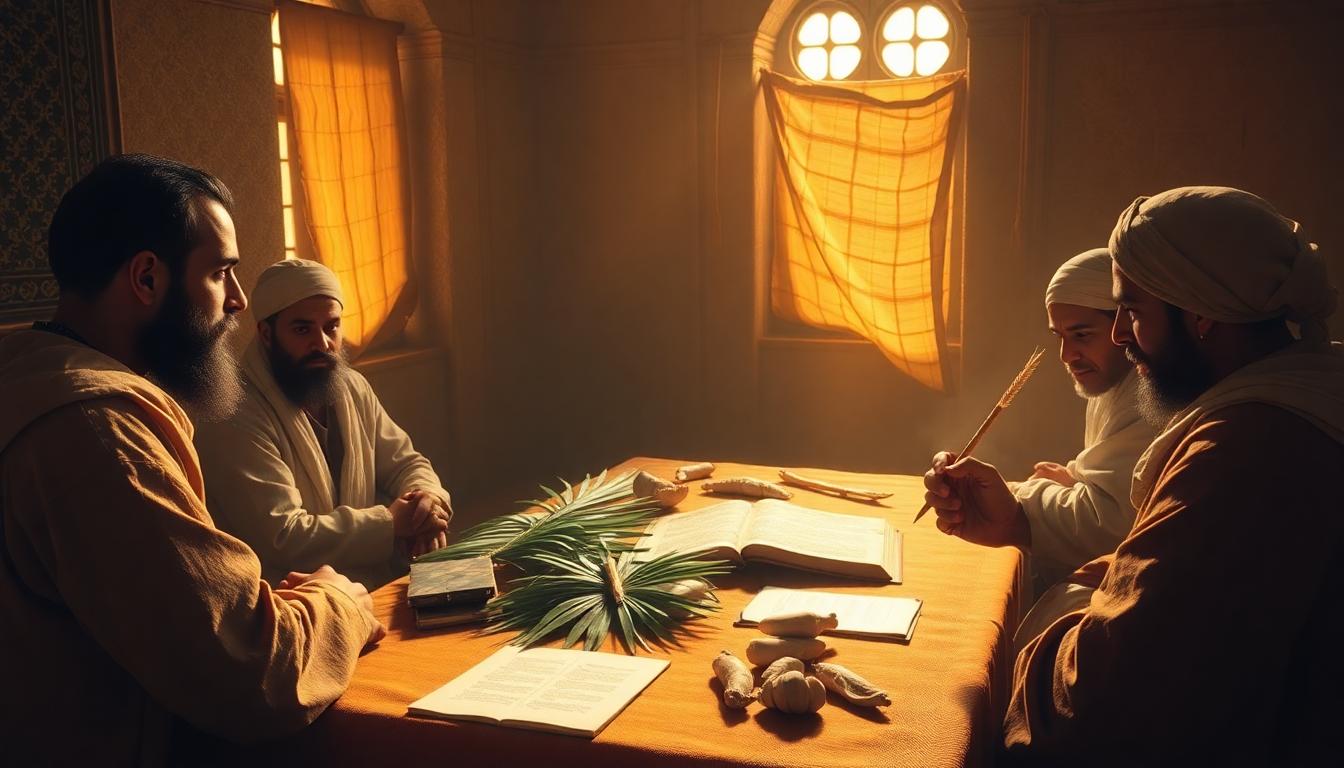
In the earliest Muslim communities, the spoken word had deep power, but writing was a trusted backup. Verses of revelation were not only memorized, they were recorded as soon as possible. This pairing of memory and written record gave the message two lines of defense. When most people could not read or write, even a small group of skilled scribes made a big difference. Written copies served as a backup to community memory, helping catch mistakes and create a more reliable record for future generations.
What Did Early Scribes Write On?
Paper didn’t reach Arabia until much later, so early scribes used what was handy. The materials speak to their resourcefulness and determination.
Common materials included:
- Palm leaves (thin strips that could be inscribed and bundled)
- Flat bones (usually camel shoulder blades, wide enough to fit a few lines)
- Cured leather (soft and sturdy, favored for important fragments)
- Parchment (animal skins, rare, but prized for careful keeping)
- Pieces of pottery or stones (for short messages and reminders)
Here’s a quick table showing these materials and their uses:
| Material | Common Use | Why It Was Used |
|---|---|---|
| Palm leaves | Everyday recording | Easy to find and handle |
| Bones | Longer verses, lessons | Flat, durable, reusable |
| Leather | Important texts/fragments | Long-lasting, portable |
| Parchment | Key copies, formal notes | Highest quality, rare |
| Pottery/Stones | Brief reminders | Abundant, good for short text |
For a further look at these writing materials, How the Qur'an Was Preserved During the Prophet's ﷺ Time describes these tools and how they were used in practice.
Trusted Scribes: The Community’s Record Keepers
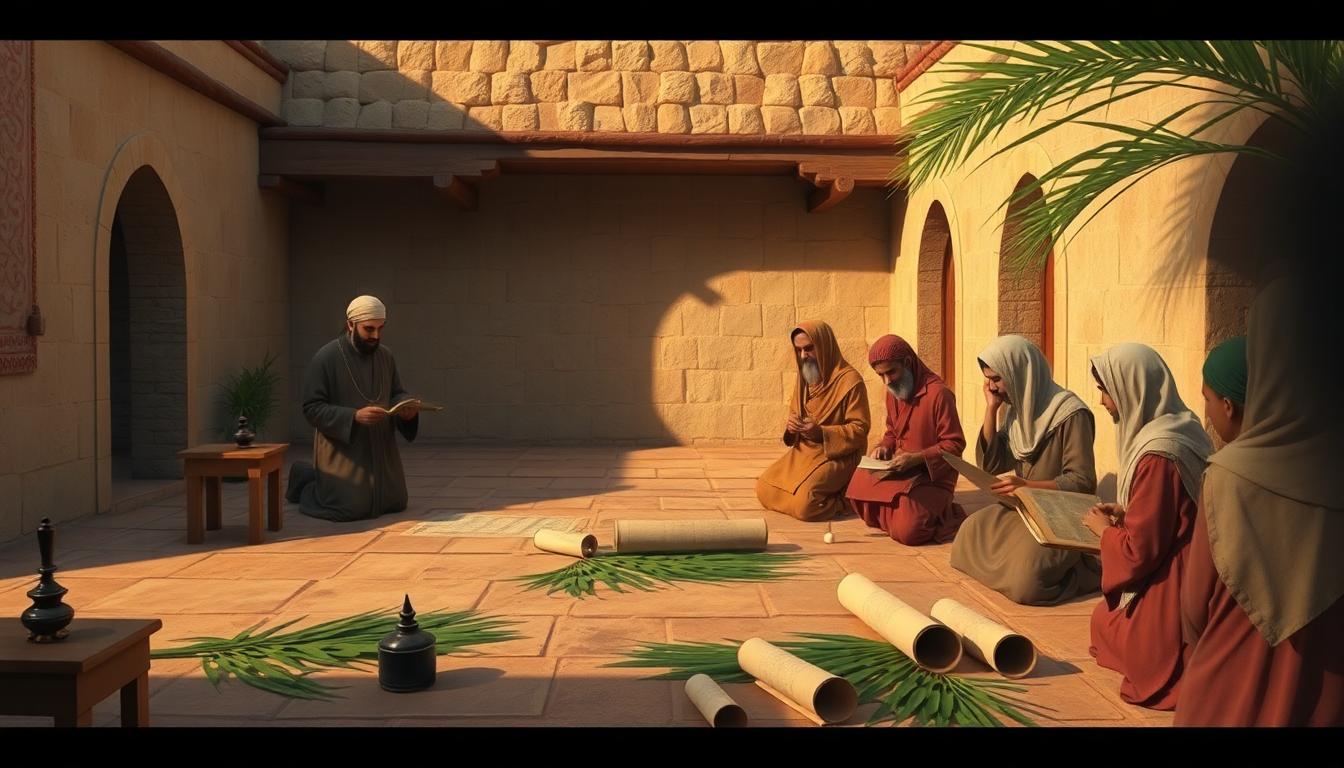
Not everyone could write. That made the work of scribes important and honorable. The Prophet Muhammad personally appointed skilled companions for this work. Whenever a new passage was revealed, he called on these trusted individuals to write it down right away.
Key scribes included:
- Zayd ibn Thabit: Known for being both sharp and careful, he later led the main compilation of the Qur’an after the Prophet’s time.
- Ubayy ibn Ka’b: Famous for his strong memory and writing skills, he often wrote down verses when present.
These scribes went beyond taking dictation. They helped organize the order of verses and kept careful track of changes or clarifications. When more than one scribe was present, they compared notes for accuracy.
Want more detail on these key figures? The Yaqeen Institute’s in-depth paper explains the roles of Ubayy and Zayd, highlighting how each contributed to this careful process.
The Prophet’s Supervision and How Quran Was Set Apart
The Prophet Muhammad directly oversaw this process. He told the scribes where to place each new verse (which chapter, and exact position within it). He also drew a clear line between the words of the Qur’an and his own sayings (hadith). While both could be written down, scribes learned which were revelation and which were guidance from him in daily life.
- Qur’an verses were written as direct acts of worship.
- Prophetic sayings were marked as separate and not mixed with the Qur’an’s wording.
This clear separation helped preserve the message’s purity and showed respect for the source of every word.
Written recording worked hand-in-hand with memorization. Scribes created a backup for the community, used varied materials, and worked under active supervision. This made the preservation process stronger than if they had used only words or only writing.
For an additional overview of written preservation and the role of Zayd ibn Thabit, see Is the Quran Truly Preserved? at Islam365.
Community Trust and Verification Systems
Early Muslim communities didn’t just trust one person or a handful of scribes with revelation. Their emphasis on group memorization, public review, and formal chains of gatekeepers set high standards for integrity. The sense of group responsibility was woven into every step, from how verses were repeated to the way witnesses vouched for what they heard or copied. This section explores how these systems worked, why they inspired so much trust, and how they influenced later efforts like hadith preservation.
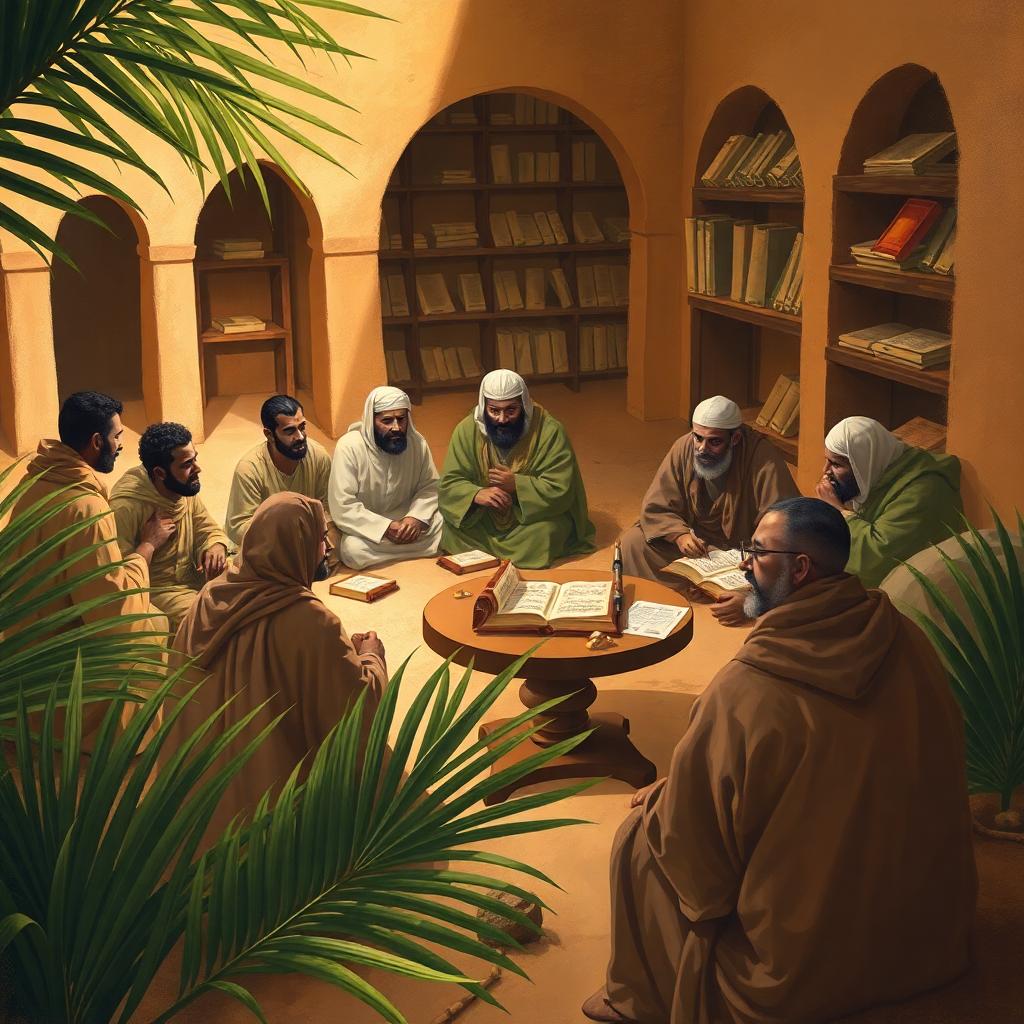 Image created with AI
Large Community Recitations: Keeping Everyone Honest
There’s a reason early Muslims recited in groups so often. It made every act of memorization a public check-in. Public prayers, nightly gatherings, and special recitation circles let everyone hear and correct each other in real time. Even mistakes were seen as opportunities to set the record straight on the spot.
- Public Review: Every verse learned in a group was open to correction by anyone who noticed a slip.
- Shared Standards: The whole community knew the verses, which meant everyone could recognize when something wasn’t right.
- Multiplication of Witnesses: The bigger the circle, the less any error could sneak by unnoticed.
This blend of openness and group participation gave each verse a crowd of guardians, each invested in getting it right.
Peer Review and Multiple Witnesses
The early Muslim tradition valued quality control. When someone claimed to memorize a passage, they didn’t just prove it to themselves or even just their teacher. Instead, they recited in front of a group—often including others familiar with the same verses. The group listened, corrected, and didn’t sign off until every word matched.
Here’s how this peer review worked to strengthen trust:
- Multiple Listeners: Recitations happened before groups, making it hard for errors or personal changes to slip in.
- Rotation of Teachers: Students sometimes learned under several different experts, adding layers of verification.
- Witnesses Signed Off: Reports and copies were accepted by the group only when multiple people verified their accuracy.
Over time, this created a deep sense of community ownership over the text—which made it even harder for anyone to insert a mistake or change the message.
Incentives for Memorization: Reward and Status
Memorizing wasn’t just a chore. Early Muslim society lifted those who did, celebrating both spiritual rewards and real-world respect. Success in memorizing the Qur’an could bring honor in the community and, some believed, blessings for the afterlife.
Why did people strive so hard to memorize?
- The Qur’an promised spiritual benefit to those who carried it in their hearts.
- Great memorizers were appointed to lead prayers, teach others, and settle disputes over wording.
- Social status rose for those who became huffaz—sometimes they led major community roles or arbitration.
This is why so many people devoted countless hours to the task: it wasn’t just about individual gain, it was about earning trust and respect in the eyes of everyone around them.
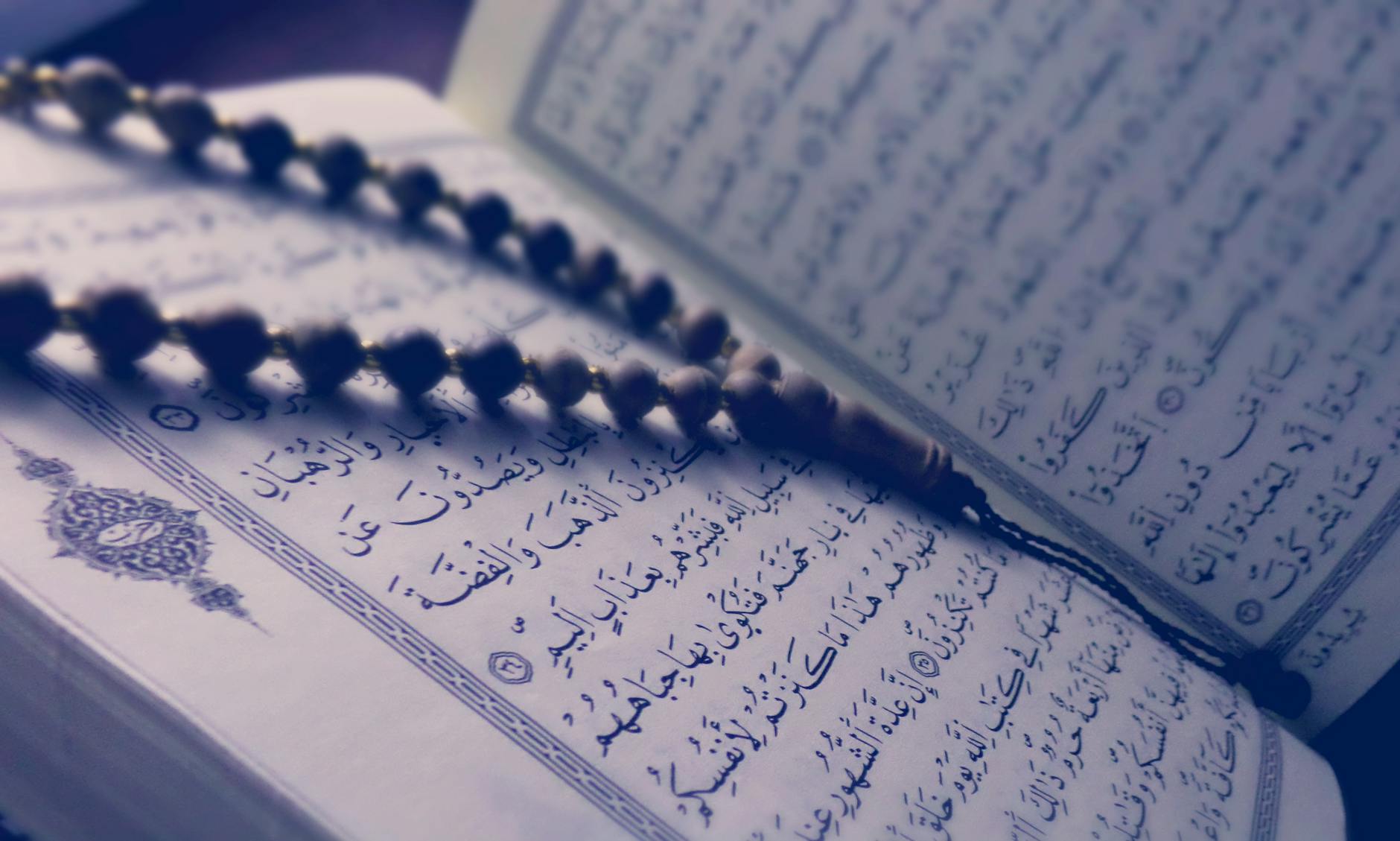
Photo by Tayeb MEZAHDIA
Formalizing Trust: Isnad and the Chain of Verification
Community trust got formal roots through the isnad system. This tool listed every person who passed along a verse or a teaching—all the way back to the Prophet. Each chain built confidence that the words you heard came from reliable people who really heard them firsthand.
How isnad worked:
- Every report named the full sequence of transmitters, from student to teacher, back to the source.
- Verifiers checked each name in the chain for reputation, accuracy, and trustworthiness.
- Weak or questionable chains were flagged, while strong ones became the standard.
Isnad did for oral tradition what a careful bibliography does for written books: it showed exactly where information came from. Historians see this as a major reason for the credibility of Qur’an and hadith transmission. For more on how this tool underpins authenticity, the entry on Isnad breaks down its method and impact.
Parallels in Hadith Preservation
The focus on strong verification didn’t stop with the Qur’an. Hadith (sayings of the Prophet) faced the same challenges but on an even larger scale. Scholars had to sift through thousands of reports—some accurate, some invented. Using the same isnad system, they graded each report on the strength of its chain and the reliability of every person involved.
A study on hadith transmission explains the depth of this effort, showing how isnad chains built a framework for sorting truth from fiction (Multi-IsnadSet MIS for Sahih Muslim Hadith). The lessons learned from preserving the Qur’an’s text became the gold standard for handling historical reports and religious law.
Table: Community Trust Systems at a Glance
| Method | Purpose | Impact |
|---|---|---|
| Large Group Recitation | Open error-checking, public memory | Errors caught quickly, wide accountability |
| Peer Review in Learning | Verification by peers and teachers | High accuracy, personal pride |
| Isnad Chains | Precise source tracking | Trust, transparency, easy error filtering |
| Incentivized Memorization | Social and spiritual motivation | More community experts, broader access |
| Multiple Witness Verification | Prevents solitary slip-ups | Group ownership, shared guardianship |
Every one of these systems aimed at the same thing: keeping the message safe, clear, and far from human tampering. In a world without printing presses or mass media, these practices knit the early Muslim community together—building lasting trust from the ground up.
Compilation and Standardization: From Memory and Manuscript to the Uthmanic Codex
After the Prophet Muhammad’s death, the early Muslim community faced a major challenge. How could they make sure the sacred revelations stayed intact with so many of the memorizers (huffaz) passing away in battles like Yamama? The loss of so many who had memorized the Qur’an raised the danger of valuable knowledge fading or fragmenting. This fear pushed the community to act decisively in putting the Qur’an into a single, trusted written form.
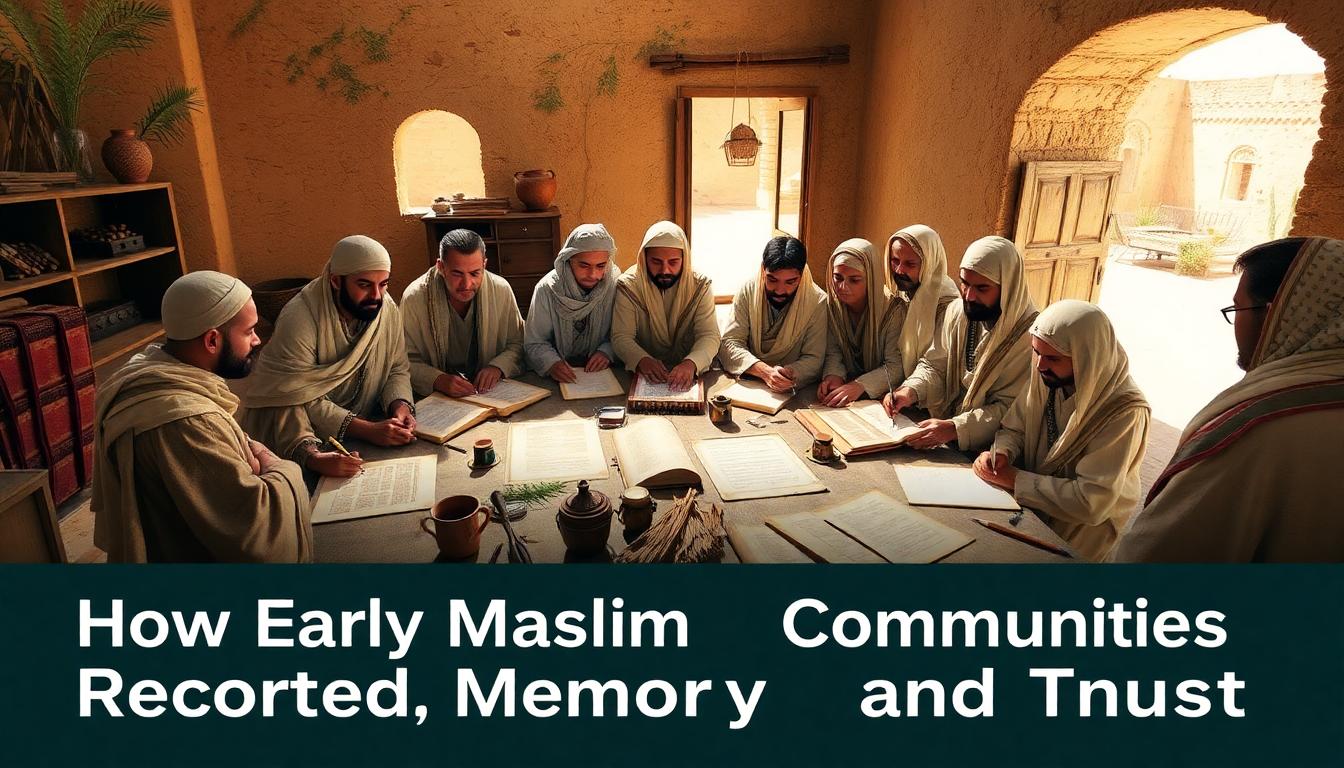
The First Compilation under Abu Bakr
The first caliph, Abu Bakr, took the crucial step of ordering the Qur’an's compilation into a single volume. This request came after the Battle of Yamama when a large number of huffaz were killed. Umar ibn al-Khattab encouraged Abu Bakr, reminding him of the urgent need for a written record so the Qur’an wouldn’t be lost.
Abu Bakr appointed Zayd ibn Thabit to lead this project. Zayd, one of the Prophet’s trusted scribes, gathered written fragments, palm leaf notes, and most importantly, cross-checked these against the memories of surviving memorizers. This method guaranteed accuracy from both oral and written sources.
The process was thorough:
- Every verse was confirmed orally with multiple huffaz.
- Written pieces collected from various companions were compared.
- Doubtful or contradictory passages were carefully resolved through consensus.
This effort formed what is known as the first codex, a single manuscript that held the entire Qur’an in a physically accessible form. It wasn’t intended for mass distribution, but as a community reference.
For a detailed account of this compilation, see how Yaqeen Institute describes Abu Bakr's compilation of the Qur’an.
The Standardization Pursued by Caliph Uthman
Years later, Caliph Uthman realized variations in readings started to appear in different regions. Communities in Kufa, Basra, Damascus, and other centers had some differences in pronunciation and ordering. To prevent division, Uthman launched the effort to produce a single, standardized version of the Qur’an.
Again, Zayd ibn Thabit was placed in charge, this time leading a committee of experienced scribes. They worked from the codex compiled under Abu Bakr and used the Quraysh dialect, the dialect of the Prophet Muhammad, as a base. This ensured the text aligned with what the original community knew.
This Uthmanic codex then became the official standard. Copies were sent to major Islamic cities, and Uthman ordered all other versions—those differing from this text—to be collected and burned. This may sound harsh, but the goal was clear: unity through agreement on the exact words of revelation.
Key reasons for this burning included:
- Preventing confusion or disputes over variant texts.
- Avoiding fragmentary or unofficial texts spreading.
- Maintaining focus on the Quraysh dialect as the correct pronunciation.
The Uthmanic codex is still the basis for every Qur’an worldwide.
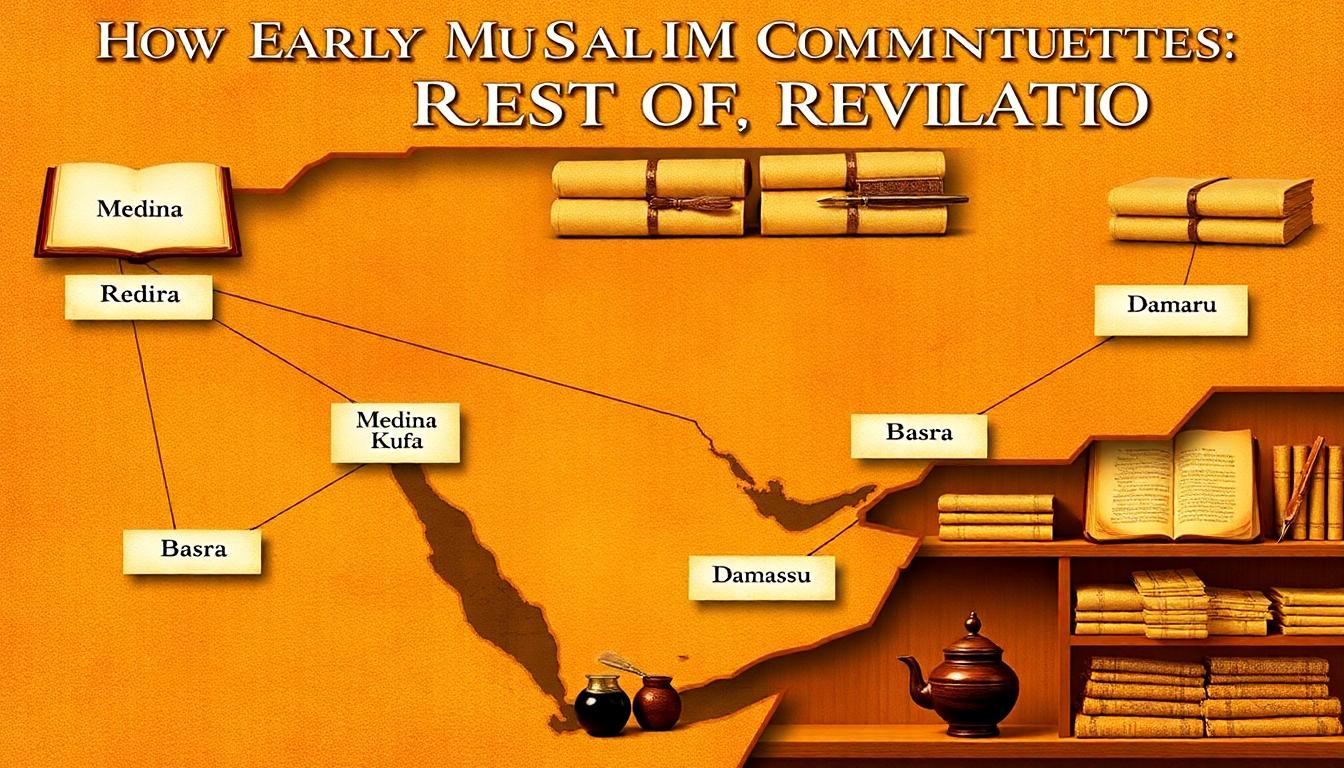
Cross-Checking and Trust in Both Oral and Written Traditions
The compilation wasn’t just writing verses down. It was a carefully controlled process relying on the oral tradition's strength as much as the manuscripts. Zayd ibn Thabit and his team constantly verified written texts against memorizers, putting a safety net around the sacred words.
This strong combination of two complementary methods:
- Oral memorization protected the authentic pronunciation and order.
- Written manuscripts secured the verses physically against loss.
Together, they ensured more than just words’ survival—they guaranteed the message’s trustworthiness across diverse communities.
More about this careful synchronization and its importance can be found at IslamOnline’s story on Zayd ibn Thabit and Qur’an compilation.
Why This Matters Today
The early Muslim community’s work in compiling and standardizing the Qur’an wasn’t just about records or files. It was about preserving a sacred trust for generations. By using both memory and manuscripts, and by setting clear standards to prevent splits, they created a unity few could question.
This process offers a powerful example of how a community can protect what matters, using every reliable tool at its disposal—human memory, written evidence, trusted leadership, and shared commitment.
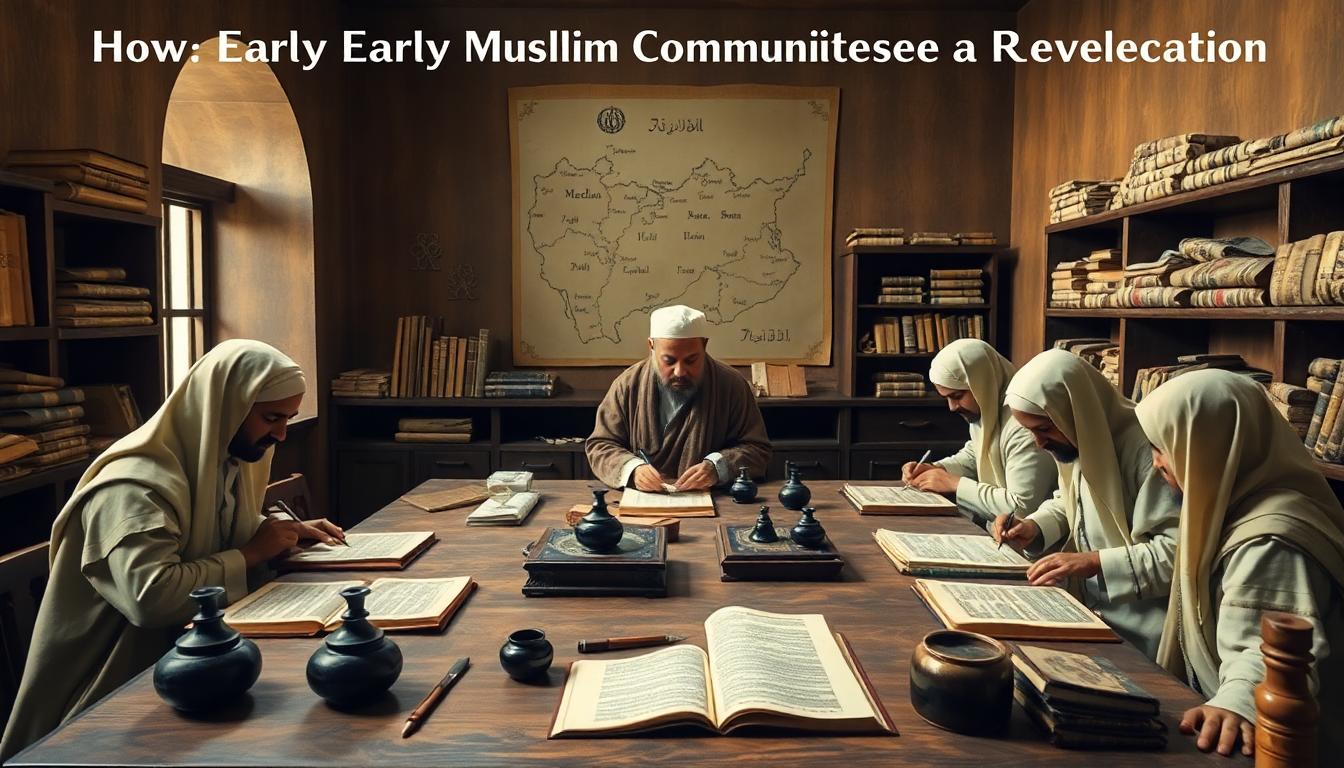
Historical Debates: Memory, Trust, and Modern Scholarship
Understanding how early Muslim communities preserved the Qur’an involves more than just recounting traditional practices. It raises questions about human memory limits, the reliability of oral transmission, and how modern scholars evaluate these ancient methods. This section explores historical debates around memory and trust, compares the traditional Islamic view with modern academic perspectives, and highlights findings from early manuscripts and memory science.
Strengths of Traditional Transmission: Memory, Witnesses, and Early Documentation
The early Muslim community didn't leave the preservation of the Qur’an to chance. They built a detailed and multi-layered system to secure the text:
- Mass Memorization: Thousands of companions memorized the Qur’an, creating overlapping networks of memorizers. This large pool meant errors were more likely to be caught by someone else.
- Multiple Witnesses: Recitations took place in public; individuals learned the text in large groups during prayers and study circles. This turned recitation into a collective, accountable activity.
- Early Written Records: Scribes documented verses immediately, often on palm leaves, bones, or parchment. Written fragments served as backups against memory slips.
- The Isnad System: Every report of the Qur’an’s words came with a chain of narrators, creating transparency and a way to verify each transmitter's trustworthiness.
These factors combined to create a robust system that preserved both the content and exact wording over decades. Traditional Islamic scholarship holds this system as divinely guided, ensuring the Qur’an’s integrity throughout history.
Modern Challenges: Limits of Human Memory and Variations
Despite these strengths, modern researchers raise honest questions based on what we know about memory and transmission in other oral cultures:
- Memory Limits: Human memory can shorten or alter oral transmission over time, especially with longer texts. Even expert memorizers may introduce minor variations.
- Variant Readings: Early manuscripts show some differences in spellings, word order, and styles. While not necessarily contradicting the text’s meaning, they highlight challenges in complete uniformity.
- Isnad Critiques: Some scholars note that isnad chains could be reconstructed or repeated as a community tradition, sometimes masking errors or fabrications in narrations.
Still, experts recognize that the early Muslim methods go far beyond typical oral traditions. The presence of concurrent written sources combined with rigorous community checks limits how much variation could creep in.
Evidence from Early Manuscripts and Memory Science
Early Qur’anic manuscripts, such as those found in Sana'a, Yemen, reveal textual variations alongside a consistent core message. These documents provide a physical connection to the earliest preservation efforts and show careful attention to the text.
Memory science helps explain how communities reliant on oral culture—including Bedouin Arabs—maintained large texts with high accuracy. Regular repetition, communal recitation, and status linked to memorization created a strong social framework supporting precise recall.
The Traditional Islamic View: Divine Preservation and Trust
From the Islamic perspective, God promised to protect the Qur’an’s message (Qur’an 15:9). This divine assurance aligns with the historical system of memorization, writing, and isnad. Muslims see the interplay of faith and historical practice as two sides of the same coin—faith that gives meaning and confidence, and practical mechanisms that maintain accuracy.
In this light, early tools, human memory, and trusted networks all worked together. The traditional view respects human effort as a means chosen by God, not merely a human-invented system vulnerable to error.
Balancing Faith and Historical Inquiry
Modern scholars and Muslim believers often approach Qur’an preservation from different angles, but that shouldn't block dialogue. Exploring archaeology, manuscript comparison, and oral traditions enriches our understanding of a process anchored deeply in human experience and community trust.
The debate about memory and trust in preservation invites us to appreciate the complexity of history. It also underscores why so many Muslims and historians find the Qur’an’s transmission both believable and remarkable.
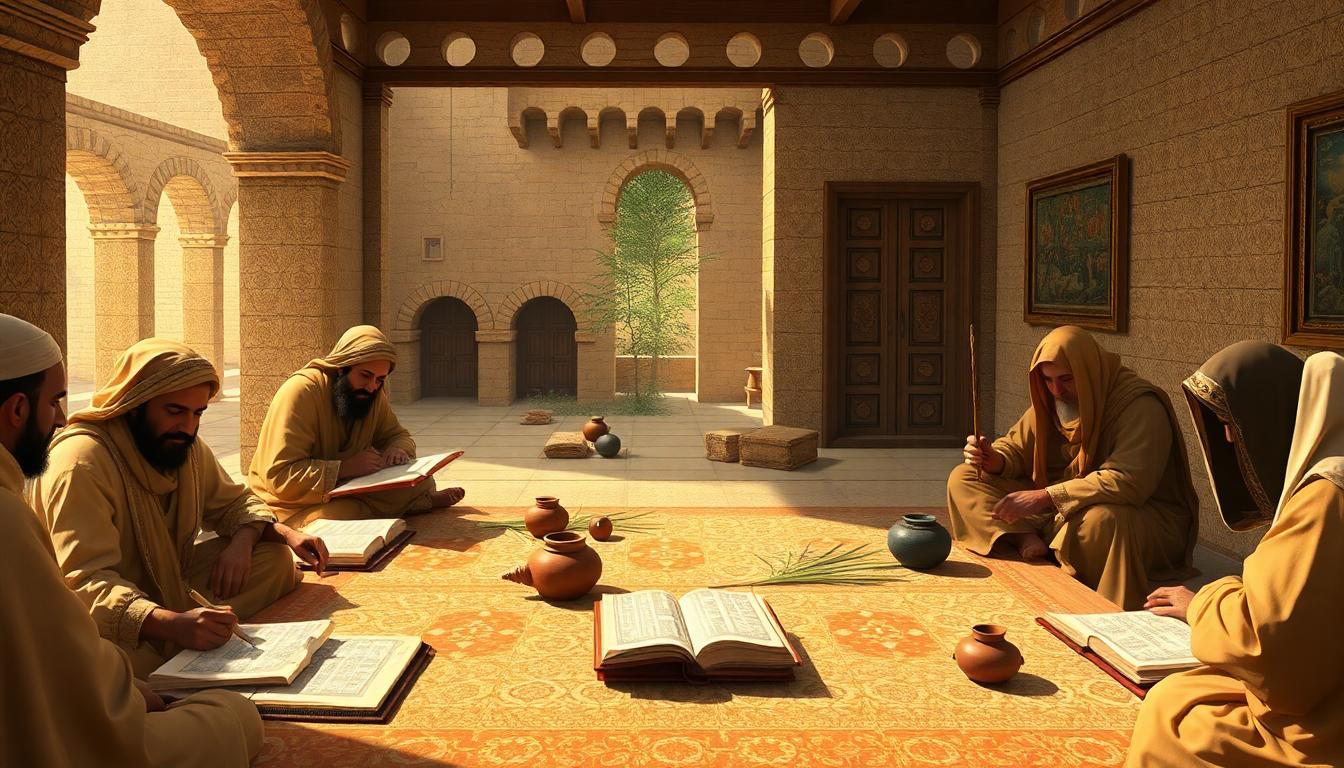
Image created with AI
For more on the mechanisms of Qur’an preservation combining oral and written records, the paper by Y. Wahb provides a well-researched scholarly overview of the historical methods How the Qur'an Was Preserved During the Prophet's Time.
Discussions about the strengths and critiques of the isnad system can be explored further in analyses such as The Sunni Quran Isnad Dilemma, which looks at transmission from a critical scholarly view.
The balance between faith in divine preservation and modern historical inquiry is well presented in the article "Revisiting the Meaning of the Divine Preservation..." Revisiting Divine Preservation of the Qur'an.
Conclusion
Early Muslim communities preserved the revelation through a careful balance of tools, memory, and trust. They combined strong oral traditions of memorization with the use of various writing materials and skilled scribes, ensuring the message was recorded promptly. Trust within the community was maintained through public recitations, peer reviews, and the isnad system, which tracked the chain of transmission back to the Prophet. The subsequent compilation and standardization under Caliphs Abu Bakr and Uthman finalized this effort, producing a unified text still used today. This preservation process left a lasting mark on Islamic civilization, showing how devotion and practical methods can protect sacred knowledge. Exploring how these methods compare with other faiths’ preservation efforts opens up a rich area for further reflection and study. Thanks for reading—feel free to share your thoughts or continue learning about this remarkable history.


0 Post a Comment:
Post a Comment