
Hidden Women of Muslim History (Stories of Leaders, Scholars, and Warriors)
The stories of many Muslim women who shaped history often go untold or barely noticed. These women led armies, founded schools, guided communities, and advanced knowledge in ways that challenge common beliefs about their roles and rights. Their contributions span centuries and regions, showing a rich diversity too often hidden beneath dominant historical narratives. Recognizing these women helps us understand the full picture and brings to light inspiring examples of strength and wisdom we rarely hear about.
Watch this insightful talk on Hidden Women of Muslim History
Pioneers of the Early Islamic Era
The early days of Islam were shaped by remarkable women whose influence went beyond the familiar stories. These women proved to be pillars of strength, wisdom, and courage in a time of profound change. They played essential roles not only within the Islamic community but also in the broader society. From business leadership to spiritual guidance, scholarship, and defense in battle, these figures opened the path for generations to come.
Khadijah bint Khuwaylid: The First Believer and Business Leader
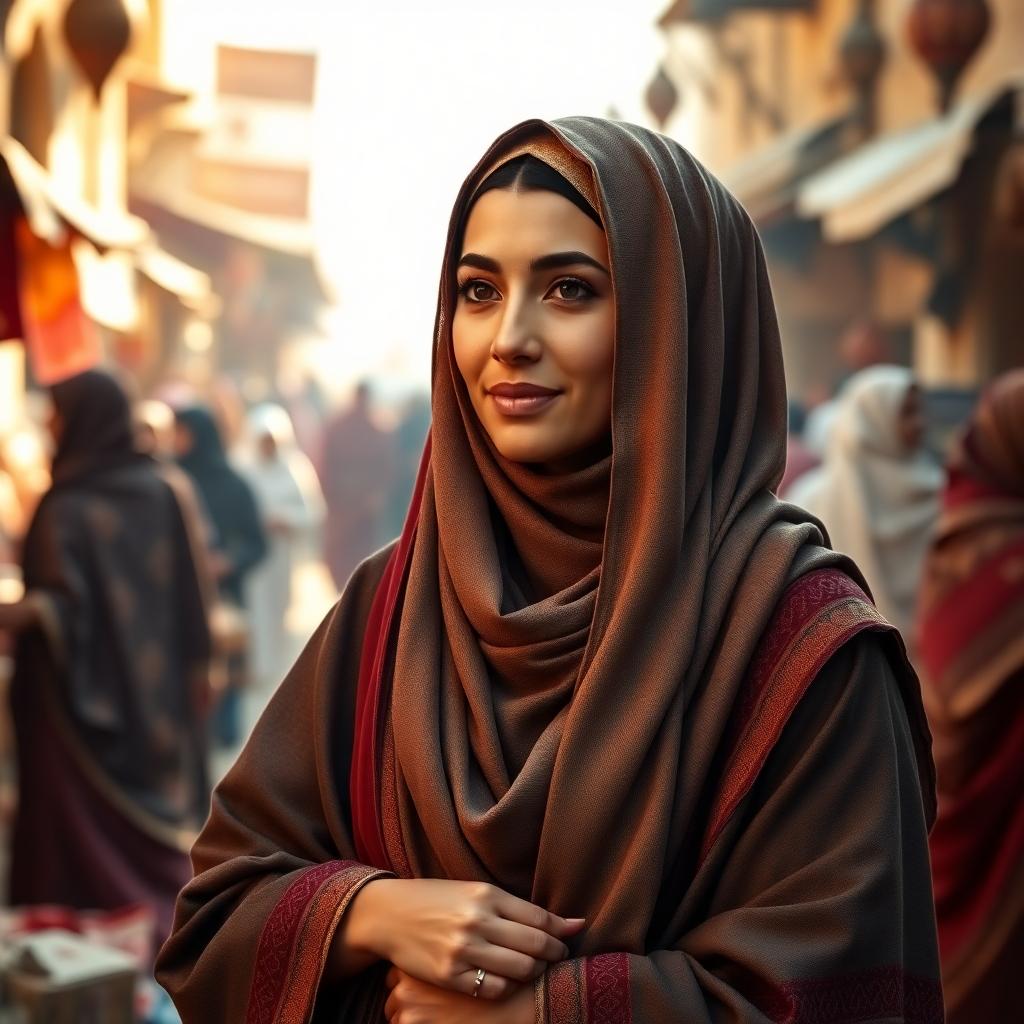
Khadijah bint Khuwaylid stands out as one of the most inspiring women in Islamic history. Before Islam, she was an exceptionally successful businesswoman in Mecca, known for her intelligence and integrity. Owning and managing her own trading caravans, Khadijah set a high standard for entrepreneurship in her era.
She was the first person to believe in Prophet Muhammad's message, offering unwavering support and encouragement during the earliest and most challenging days of Islam. Her faith and partnership gave the Prophet strength to continue spreading the new faith.
Beyond her role as a business leader and the Prophet’s wife, Khadijah’s legacy as a symbol of confidence and resilience endures today. She remains a vivid example of how women’s leadership helped build the foundation of the Muslim community. Her story reflects a blend of faith, wisdom, and empowerment. Learn more about her life and legacy through this detailed account of Khadijah’s impact on early Islam.
Fatimah bint Muhammad: The Symbol of Resilience
Fatimah bint Muhammad offers a deeply spiritual image of strength. As the beloved daughter of the Prophet, she carries a special place in Islamic history and tradition. Fatimah’s life was marked by dedication, perseverance, and compassion in a time of hardship.
Her significance extends to her role within Islam’s lineage—not only as a spiritual figure but also as the mother of influential leaders who carried on the Prophet’s teachings. Fatimah’s resilience became a beacon of hope to many, exemplifying devotion both to faith and family, especially through conflicts faced by the early Muslim community.
She is remembered with reverence, often called the “Leader of the Women in Paradise,” a reflection of her elevated status in Muslim belief and an inspiration for women striving to balance strength and spirituality. For more insights into her life and spiritual role, see this thorough overview on Fatimah's place in Islamic heritage.
Aisha bint Abu Bakr: Scholar, Jurist, and Leader
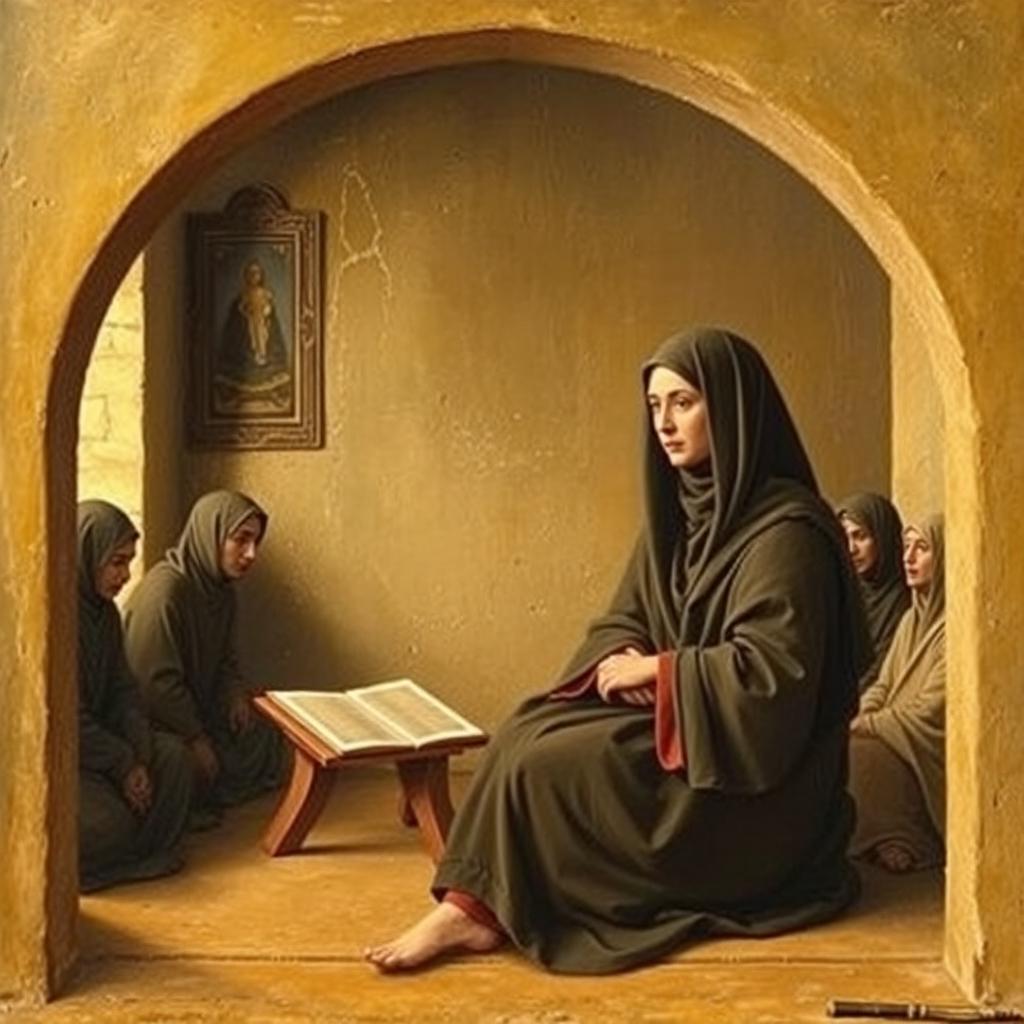
Aisha bint Abu Bakr was more than the Prophet’s wife—she was a leading scholar who shaped the course of Islamic law and tradition. Her knowledge and sharp mind made her a key transmitter of Hadith, passing down many sayings and practices of the Prophet.
She also played a crucial role in Islamic jurisprudence, exercising authority in interpreting religious teachings in ways that guided the Muslim community. Besides her scholarship, Aisha was active politically, even leading troops during a significant conflict known as the Battle of the Camel.
Her life challenges the notion that early Muslim women were only confined to domestic spaces. Aisha’s story shows women taking charge in religious, educational, and political arenas. Discover more about her remarkable influence in this well-researched piece on Aisha's contributions to Islam and leadership.
Nusayba bint Ka'b: Courageous Warrior of Islam
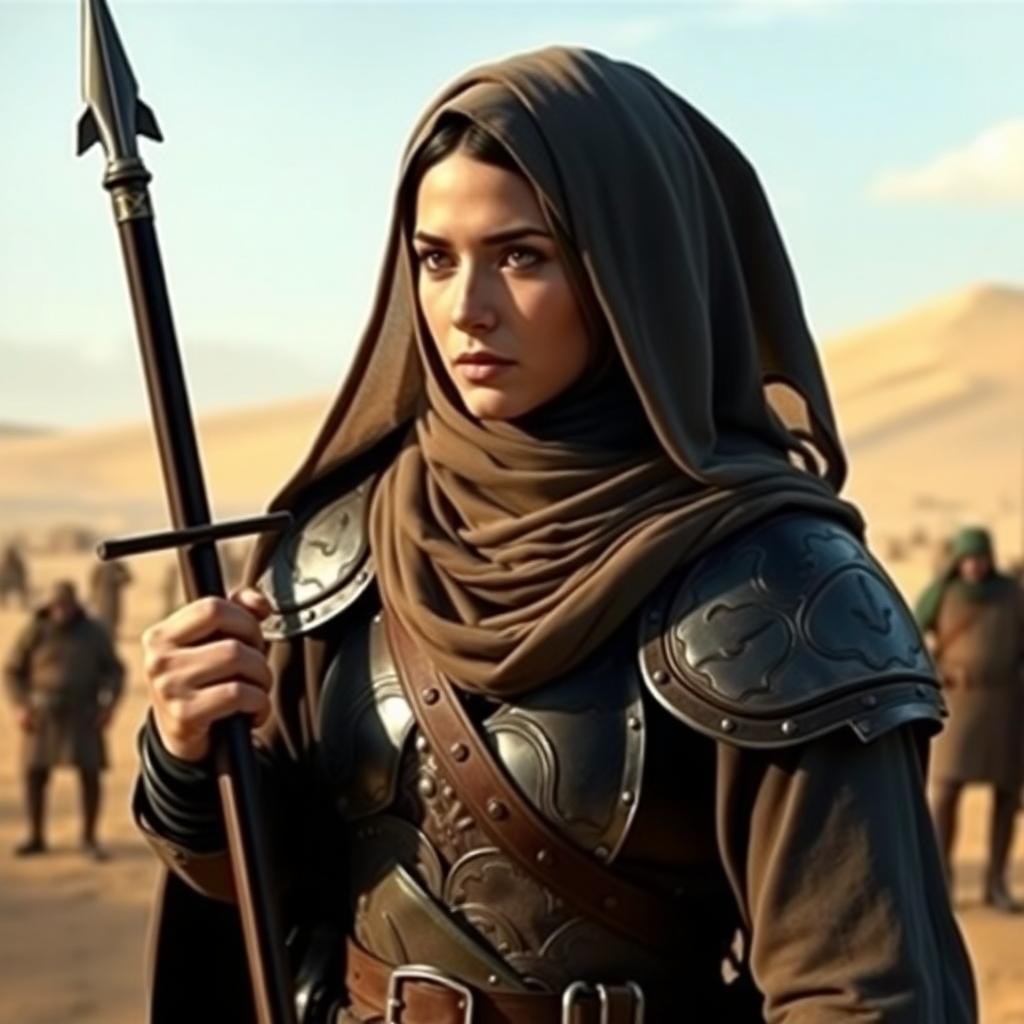
Nusayba bint Ka'b, known as a fearless defender of Islam, famously took part in several key battles to protect the Prophet and the Muslim community. She earned a reputation for bravery on the battlefield, once shielding the Prophet Muhammad with her own body.
Her courage and willingness to fight alongside men made her a unique figure in early Islamic history. Nusayba’s role shows that women were active participants in the defense of their faith and community, not just observers.
She received recognition and praise for her valor, carving out a place for female warriors in the historical narrative. Learn more about Nusayba's life and heroism through this informative article about Nusaybah bint Ka'ab's fearless role in Islam.
These four women reveal a powerful truth: the early Islamic era was shaped by dynamic, capable women whose contributions helped build a lasting legacy. They walked different paths — commerce, spirituality, knowledge, and battle — but all showcased strength and dedication that still inspire today.
Intellectual and Spiritual Contributions of Muslim Women
Muslim women have played a vital role in shaping the intellectual and spiritual heritage of the Islamic world. Their achievements span diverse fields—from education and mathematics to mysticism and religious scholarship. These women not only advanced knowledge but also inspired generations through their dedication and insight. Their stories often remain overlooked, yet they highlight how women were central to the growth of learning and devotion throughout history. Here are some remarkable figures whose contributions deserve wider recognition.
Fatima al-Fihri: Founder of the World's Oldest University
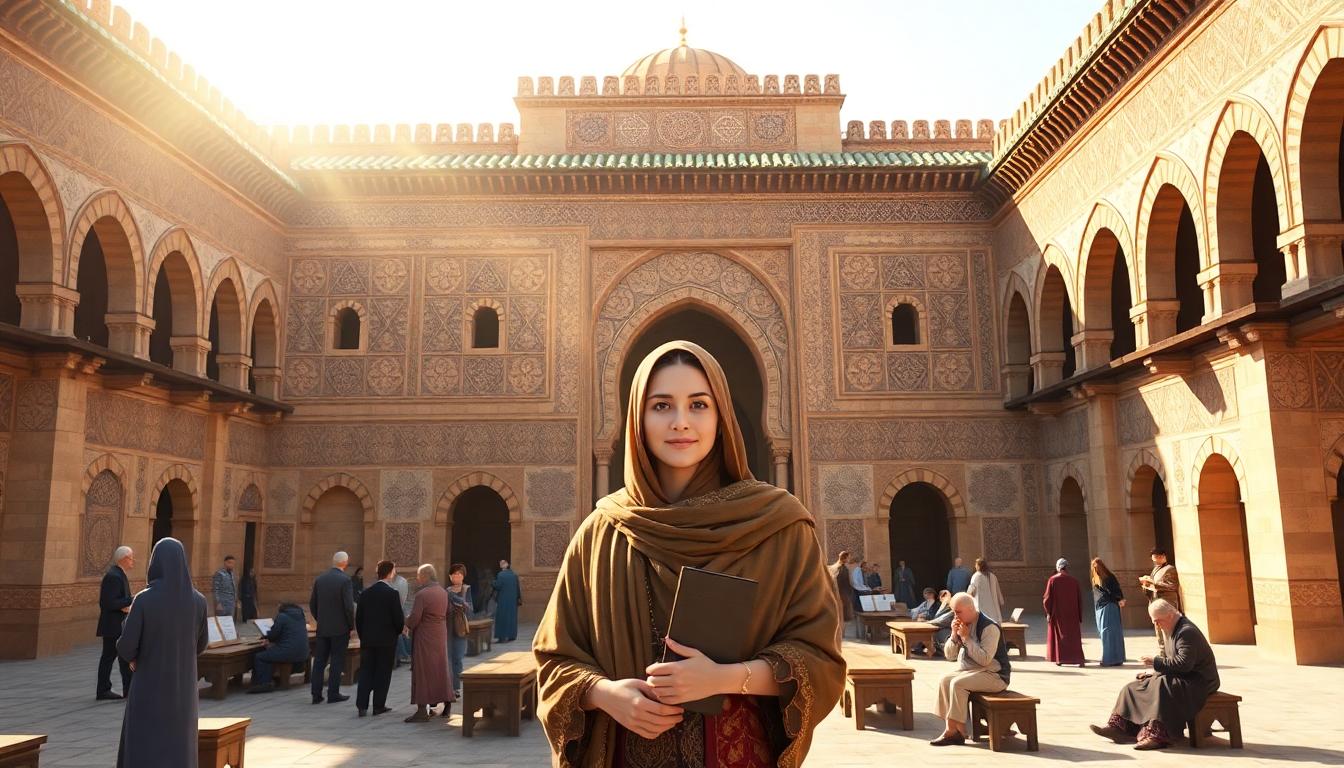
Fatima al-Fihri established the University of al-Qarawiyyin in Fez, Morocco, around 859 AD. What began as a mosque quickly became a hub for learning, philosophy, and religious studies. Today, al-Qarawiyyin is recognized as the world's oldest continuously operating university. Fatima’s vision provided scholars a space to study subjects ranging from theology to natural sciences. Her legacy shaped Islamic education not only in North Africa but also across the Muslim world and beyond. The university fostered knowledge exchange between cultures and inspired many future institutions. Fatima al-Fihri’s enduring impact reflects the power of education as a timeless gift.
Learn more about the university’s history and influence from this detailed overview on the University of al-Qarawiyyin.
Lubna of Córdoba: Mathematician and Literary Scholar

Lubna of Córdoba was a standout intellectual during the Umayyad Caliphate in Andalusia. As chief librarian of Córdoba’s famous library, she managed vast collections of manuscripts, including works on mathematics, astronomy, and literature. Her expertise extended beyond administration. Lubna was also an accomplished mathematician and poet. She translated, copied, and commented on key classical texts, helping preserve and spread knowledge at a time when Córdoba was a leading intellectual center. Beyond her own work, she taught mathematics and philosophy to students from all backgrounds. Lubna’s story reminds us that women were deeply involved in advanced scholarship, contributing to the Golden Age of Islam’s intellectual richness.
Discover more about Lubna’s life and works in this article about Lubna of Córdoba.
Rābi'a al-'Adawiyya: Mystic and Pioneer of Divine Love

Rābi'a al-'Adawiyya stands as one of Islam’s most influential mystics. Living in the 8th century, she introduced a fresh perspective to Sufism by emphasizing worship motivated solely by love of God. Unlike obedience driven by fear or hope for reward, Rābi'a taught that true devotion comes from pure love and longing for the Divine. Her spiritual poetry and sayings still inspire seekers today. Rābi'a’s legacy shaped Sufi philosophy and broadened the understanding of faith beyond formal practices. Her life offers a moving example of how personal devotion and inner transformation define spirituality.
Learn more about her spiritual impact from this detailed account of Rābi'a al-'Adawiyya.
Female Hadith Scholars and Jurists
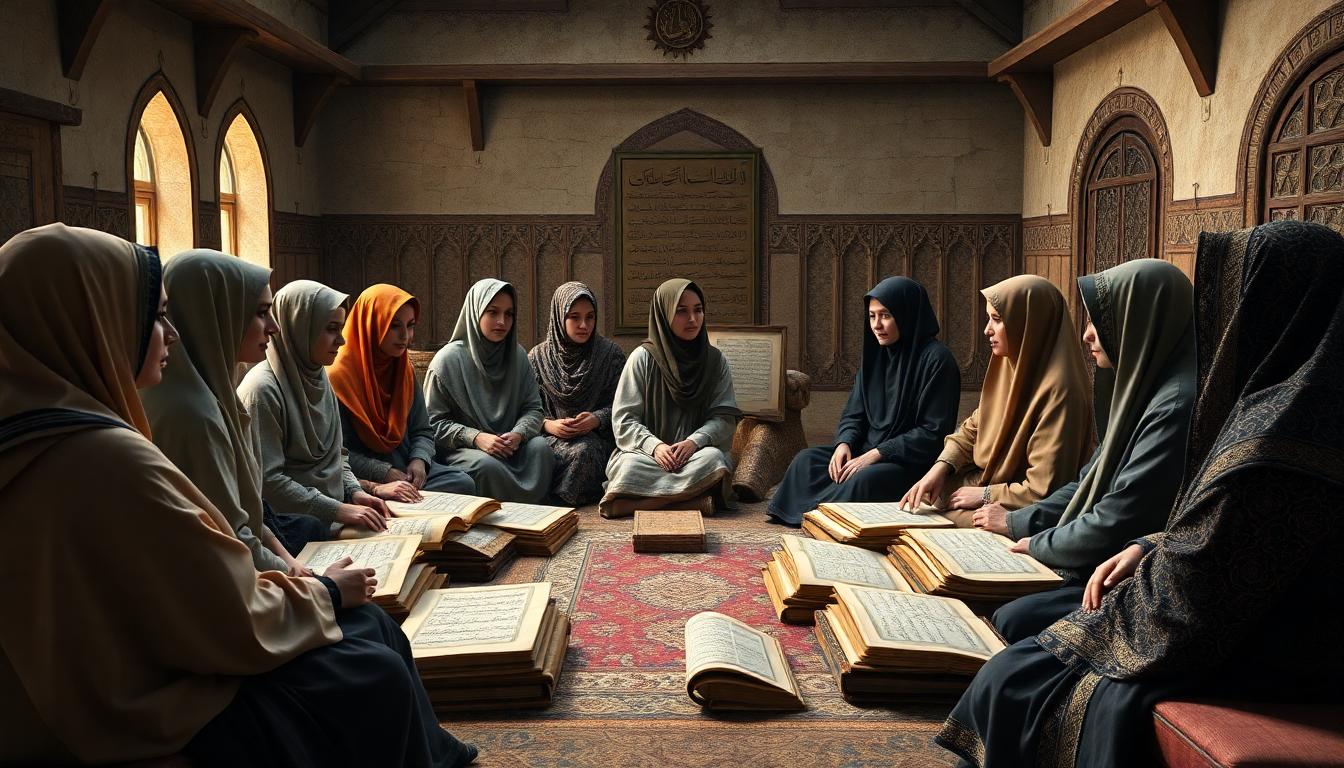
Muslim women were not only custodians of spirituality and education—they were also leading scholars of Hadith (sayings and actions of Prophet Muhammad). Women like Umm al-Darda played crucial roles as jurists and teachers, instructing both men and women in fiqh (Islamic jurisprudence) and Hadith sciences. Their expertise earned respect from leading caliphs and scholars, and they issued legal opinions known as fatwas. Research shows there were thousands of female Hadith transmitters across many centuries, highlighting a robust tradition of women preserving and interpreting religious knowledge. These scholars helped shape Islamic law and ethics with their contributions, ensuring women's voices took part in legal and theological discussions.
For an in-depth look, explore this article on Umm al-Darda and women scholars of Hadith.
Each of these women brought unique gifts to their time—whether founding enduring institutions, mastering mathematics and literature, deepening spirituality, or shaping Islamic law. Their stories highlight how female intellect and faith quietly fueled much of the knowledge and spiritual richness the Muslim world treasures today.
Women Rulers and Political Leaders in Muslim History
Throughout Muslim history, a handful of remarkable women have defied expectations and wielded power in remarkable ways. These women ruled as sultanas, queens, and regents, breaking gender norms and navigating complex political landscapes. Their leadership brought stability, defended realms, and sometimes changed the course of history itself. Let’s explore the stories of four extraordinary female leaders whose influence still resonates.
Razia Sultan: The First Female Sultan of Delhi
Razia Sultan, ruling Delhi from 1236 to 1240, stands out as the first female Muslim sovereign in South Asia. As the daughter of Sultan Iltutmish, she broke tradition by directly stepping into the role of ruler rather than taking a secondary position behind male relatives. She was known not just for leading armies but also for her strong support of education and justice.
Unlike many leaders of her time, Razia wore the mantle of authority openly—riding astride horses, dressing in male garments for battles, and commanding respect from her generals. She challenged the rigid gender roles prevalent in her era, offering a powerful example that leadership knows no gender. Her reign, though brief, symbolizes courage amid a male-dominated court and highlights her commitment to progressive rule and intellectual patronage. For more deep insight into her reign, visit the detailed profile of Razia Sultan on World History Encyclopedia.
Shajar al-Durr: The Mamluk Sultana of Egypt
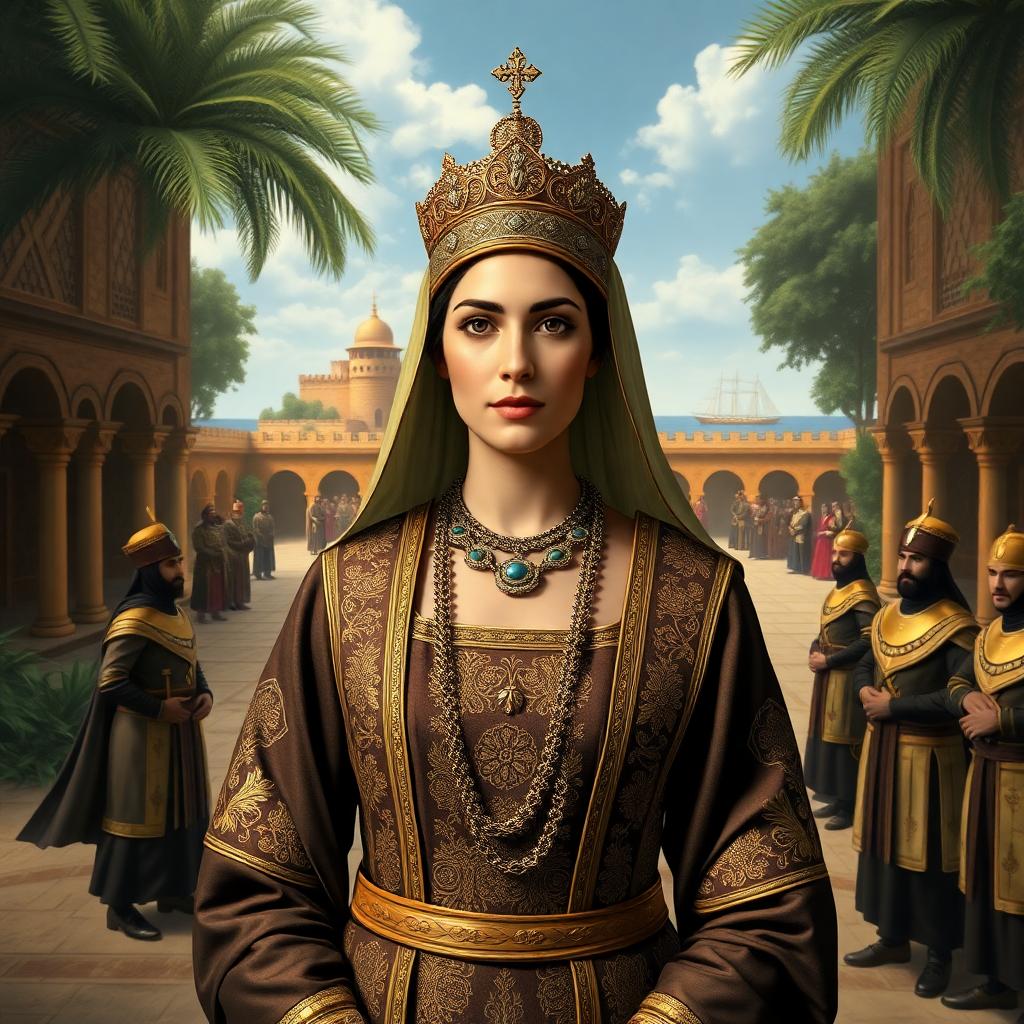
Shajar al-Durr’s life is one of resilience and sharp political skill. Originally a slave and concubine who rose to become wife of the Ayyubid Sultan, she took power in her own right after her husband’s death during the Crusader conflicts in the mid-13th century. In 1250, Shajar al-Durr became the first woman to rule Egypt as sultana, marking a significant break in tradition.
During her rule, she oversaw military campaigns that defended Egypt successfully from the Crusader forces. She was not just a figurehead; her strategic decisions and ability to manage rival factions secured her throne in a turbulent period. Her reign marked the end of the Ayyubid dynasty and led to the rise of the Mamluk Sultanate. Learn more about her unique rise and reign at this insightful article from Encyclopedia.com on Shajarat al-Durr.
Sayyida al-Hurra: Queen and Naval Commander of Morocco
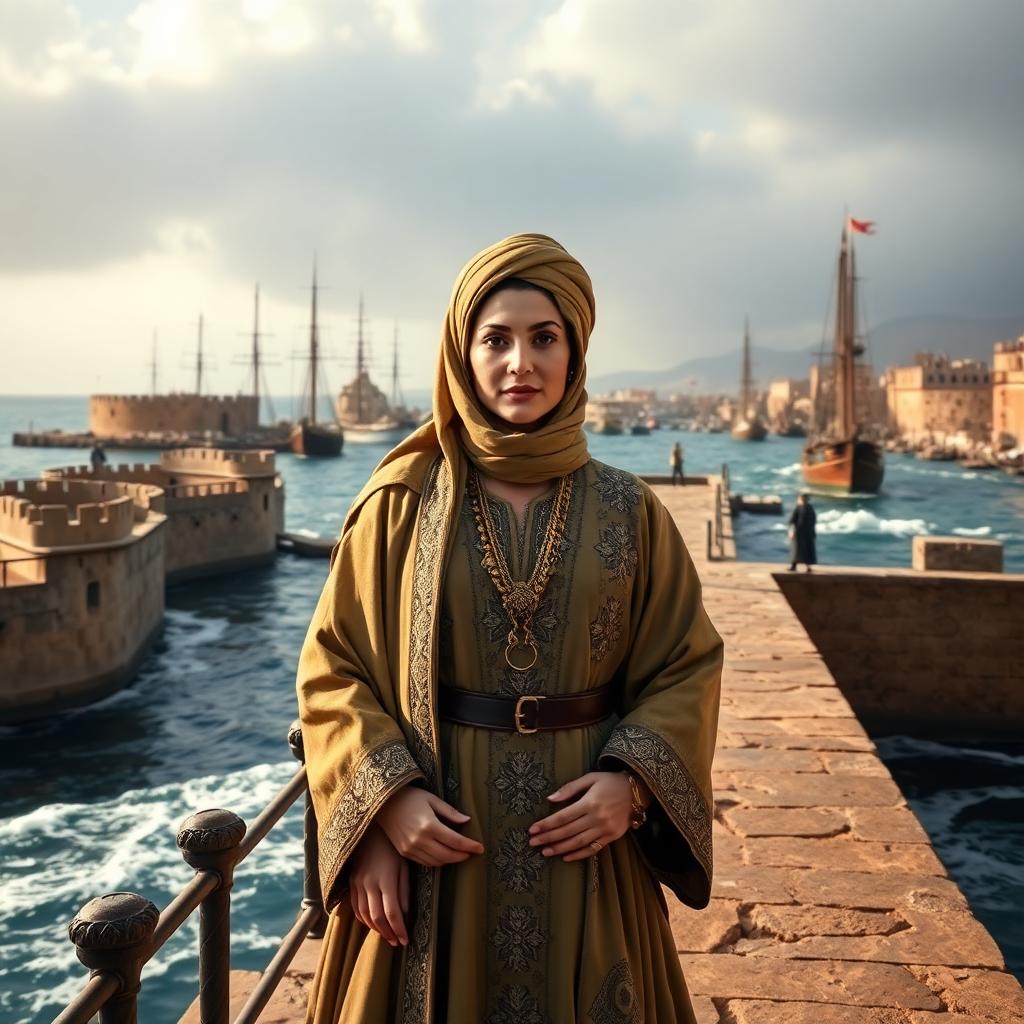
Sayyida al-Hurra, ruling the northern Moroccan city of Tetouan in the early 16th century, wore more than just a crown. She commanded a fleet of ships and led naval campaigns against European powers trying to dominate the Mediterranean. Her fierce resistance earned her the nickname "pirate queen" among her adversaries.
She cleverly governed her city and forged political alliances, projecting power both on land and at sea. Control over Tetouan meant a key position in trade and military strategy, and Sayyida al-Hurra used it to maintain regional autonomy. Her leadership is an inspiring story of a woman who shaped political and military affairs at a time when few women led armies or navies. Read more about her maritime influence at this compelling article on Sayyida al-Hurra, the Pirate Queen.
Kösem Sultan: Power Behind the Ottoman Throne
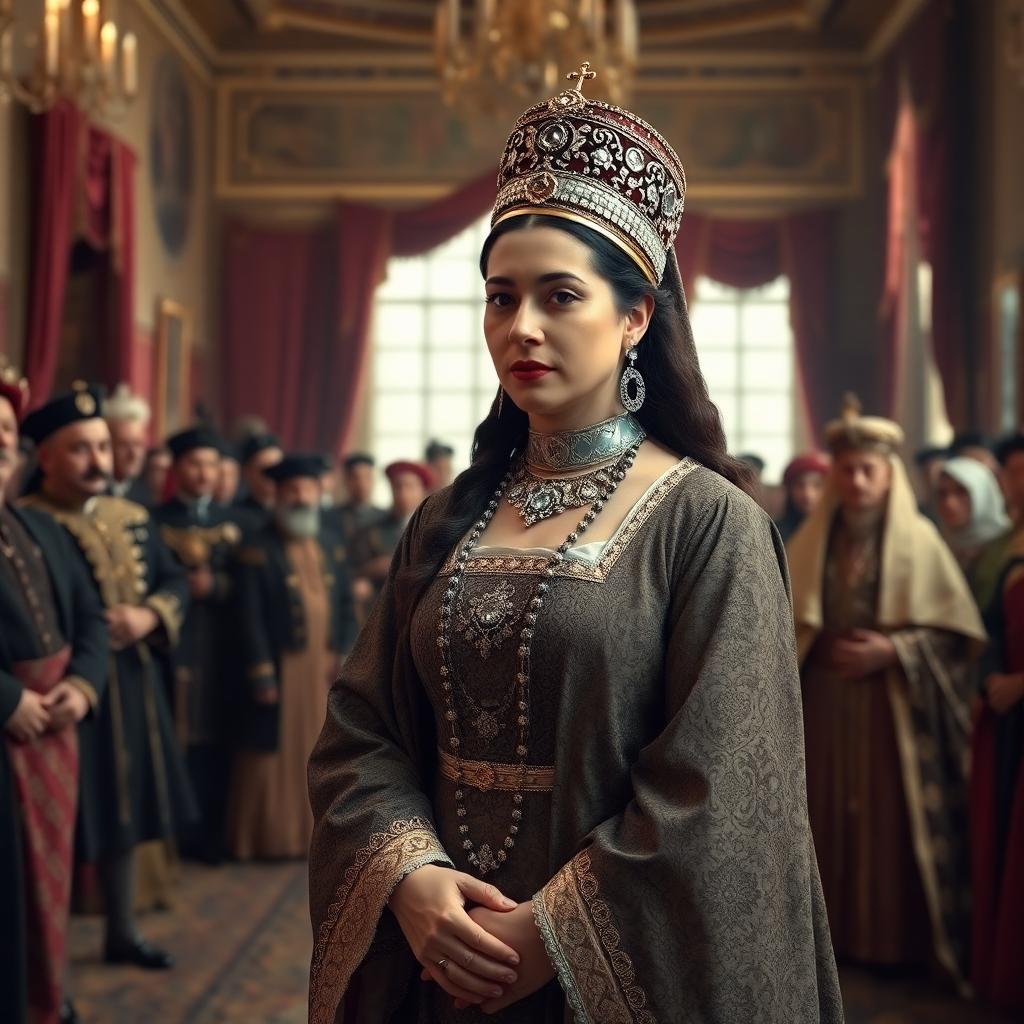
Kösem Sultan’s story unfolds at the height of the Ottoman Empire when she wielded power as consort, mother, and regent for multiple sultans during the early 17th century. Unlike many royal women confined to the harem, Kösem managed political alliances, appointed key officials, and controlled military decisions.
Her political savvy helped maintain stability in an empire often challenged by internal strife and external threats. She influenced Ottoman policy and was instrumental in shaping the destiny of the empire during her regency. Kösem’s strength lies in her unyielding ability to rule behind the throne and direct affairs with precision. Dive deeper into her legacy from this comprehensive article on The Story of Kösem Sultan.
Each of these leaders proves women’s leadership in Muslim history was never limited. They commanded armies, ruled cities and empires, and made decisions that shaped entire regions. Their stories reveal the depth and diversity of female power beyond conventional narratives. The courage and intelligence these women displayed are powerful reminders of leadership’s many faces.
Unsung Heroes: Rediscovering Hidden Histories and Modern Implications
Many stories of Muslim women’s lives and achievements have been tucked away, waiting quietly in dusty archives and untranslated manuscripts. These unsung heroes shaped history in ways that often went unnoticed or were overshadowed by male-centered narratives. Today, efforts to uncover and bring these stories to light are gaining momentum. These discoveries are more than history lessons; they provide important context and inspiration that resonate with Muslim women now and for generations ahead.
Preservation Challenges and Rediscovery Efforts
The main challenge in preserving many Muslim women’s histories lies in the nature of historical records themselves. Much of their contributions remain in manuscripts written in Arabic, Persian, or other languages that have not been translated or properly studied. These texts are often kept in archives, libraries, or private collections that are difficult to access. Sometimes, women’s voices were deliberately excluded from official histories or overshadowed by political and social changes.
Luckily, several projects and scholars are retracing these hidden stories. For example, the UCLA Library has highlighted manuscripts endowed by Muslim women themselves, showing their roles as patrons and guardians of knowledge. The Muslim World Manuscript Project works to digitize and make accessible key Islamic manuscripts from around the globe. These efforts reveal how women were involved in intellectual, religious, and cultural life far more than previously known.
By translating, cataloging, and sharing these documents, historians are expanding the narrative. Rediscovery is not just recovering names but illuminating roles that challenge stereotypes and deepen our understanding of Muslim women’s historic presence.
Stories from the Diaspora: British Muslim Women’s Histories
Not all hidden histories lie far in time or place. The experiences of Muslim women in diaspora communities have also often been overlooked. In Britain, between the 19th and 20th centuries, women like Olive Salaman and Lady Fatima Cates quietly shaped their communities despite facing racism, cultural misunderstandings, and social restrictions.
Olive Salaman, known for her work in education and philanthropy, helped bridge Muslim and British worlds, promoting social welfare and cultural integration. Lady Fatima Cates navigated complex social expectations while advocating for Muslim women’s rights and community cohesion in a time when voices from Muslim diasporas were rarely recorded.
These women’s stories have only recently been documented in collections and books like Muslim Women in Britain, 1850–1950: 100 Years of Hidden History. This work brings their achievements into the spotlight, showing how British Muslim women were active participants in shaping British society long before the commonly acknowledged migration waves of the late 20th century. Remembering their contributions challenges simplistic narratives and honors their resilience.
For more on these histories, see the recent BBC coverage of British Muslim women’s hidden histories and this detailed book from Oxford University Press on Muslim Women in Britain.
Impact on Contemporary Muslim Women
The implications of reclaiming these hidden histories stretch far beyond the past. When contemporary Muslim women learn about the varied roles their predecessors played—as scholars, leaders, warriors, and community builders—they gain confidence and motivation to engage fully in education, leadership, and public life today.
Reclaiming these stories challenges persistent stereotypes that frame Muslim women as passive or confined. Instead, it highlights traditions of agency, influence, and intellectual presence. Understanding this history empowers young Muslim women to envision broader possibilities for themselves and their communities.
Moreover, revisiting these narratives equips society as a whole with a richer, more accurate story of Muslim women’s contributions. It aids in combating prejudice and promoting inclusion by showing the diverse and essential roles women have played across history.
Contemporary projects, educational programs, and community initiatives increasingly draw from these rediscoveries to inspire future generations. The ripple effect helps build stronger, more informed communities where Muslim women’s voices are heard and respected.
Rediscovering these hidden histories shows that Muslim women have always been crucial storytellers of their faith, culture, and society—past and present.
This section points toward a fuller picture, bridging past achievements with modern-day empowerment, encouraging us all to look deeper beyond what's been left in shadows.
Conclusion
Recognizing the hidden women of Muslim history gives us a clearer, fuller view of Islamic civilization. These women broke stereotypes by serving as leaders, scholars, warriors, and changemakers. Their stories show that women's influence was vital in shaping societies, knowledge, and faith.
Honoring their lives helps today’s readers understand the diversity and strength within Muslim heritage. It also encourages current and future generations of Muslim women to see no limits to their own potential.
Keep exploring these stories and sharing them widely. Doing so deepens our understanding and lifts up voices that history too often kept silent. Their legacies offer powerful inspiration that deserves to be remembered and celebrated everywhere.


0 Post a Comment:
Post a Comment