
The Role of Women in Building Early Muslim Communities (Faith, Leadership, and Social Change)
When people think of early Muslim history, women’s impact might not always come to mind right away. The truth is, women shaped those first communities in ways that went far beyond their homes. They supported economic life, took on leadership in faith, taught others, served the public, and carved out respected places in community life—a rare feat for their time.
This post highlights the many ways women helped build the foundation of early Muslim society. From business to worship, education to social services, their actions set new standards and changed lives. You’ll see how their stories show strength, devotion, and a drive to make things better for everyone around them.
Watch this thoughtful overview on YouTube
Spiritual and Religious Leadership
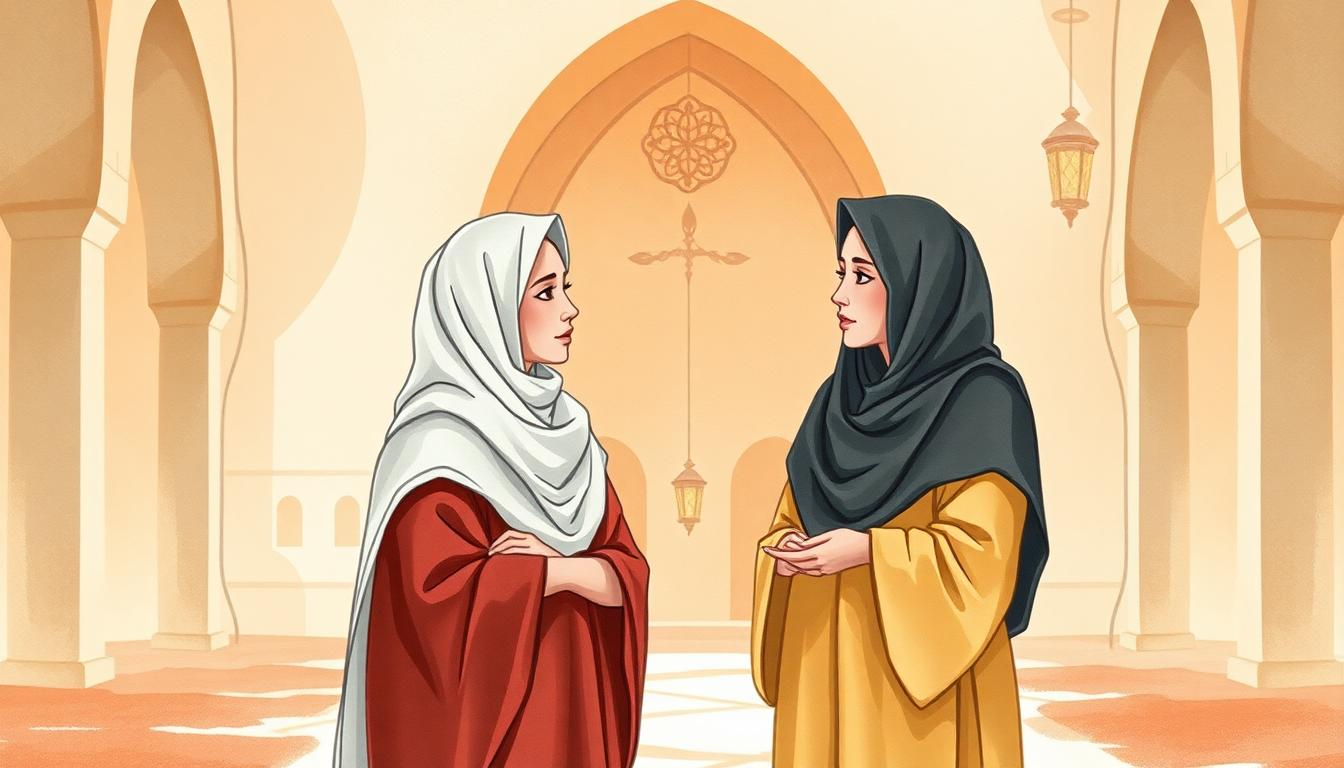 |
| Women in early Muslim communities stood tall as spiritual leaders and trusted voices in faith. |
Women in early Muslim communities stood tall as spiritual leaders and trusted voices in faith. Their roles weren't hidden or minor. They directly guided, taught, and shaped religious life. Some were pillars of spiritual support, while others became sources of knowledge and inspiration for generations. These women changed how their communities understood faith and leadership.
Full Participation in Worship and Community Life
Early Muslim women joined worship with the same devotion as men. They attended prayers in the mosque, fasted, and performed charity. Their presence added strength and warmth to community gatherings. Women asked questions, voiced their beliefs, and sought to understand faith in depth.
- Women could engage the Prophet directly about religious matters
- They offered guidance and counsel to fellow believers
- Their voices shaped how religious rules and customs were explained
This involvement went well beyond private prayer. Women’s prayers and opinions echoed within the heart of the community, not just behind closed doors.
Khadijah bint Khuwaylid: The First Support
Khadijah bint Khuwaylid was the Prophet Muhammad’s first wife and the first person to believe in his message. Her faith was not passive. She used her wisdom to comfort, advise, and reassure the Prophet during the earliest, most difficult days of Islam.
Khadijah’s support meant more than private devotion:
- She gave her wealth and resources to help the new Muslim community
- Her calm advice gave the Prophet confidence and direction
- Her belief encouraged others to accept and trust the new faith
Khadijah showed that spiritual leadership could be full of kindness and smart action. Her story reminds us that belief is powerful when paired with compassion and resolve.
Aisha bint Abi Bakr: Guardian of Knowledge
Aisha bint Abi Bakr had a sharp mind and a deep love for learning. She became one of the most knowledgeable people in early Islamic history. After the death of the Prophet, Aisha taught the next generation, sharing over two thousand hadith (sayings and actions of the Prophet).
Aisha’s role as a teacher and scholar came to define religious learning for both men and women:
- Major scholars, judges, and companions learned from Aisha
- She clarified religious rules and explained details of belief
- Aisha’s honest questions led to answers that benefited the whole community
Thanks to her efforts, essential religious knowledge survived, spread, and grew.
Legacy of Female Religious Leaders
The stories of Khadijah, Aisha, and many others set clear examples. Women helped carry the message of Islam, lead charity, and teach others. Their work built bridges—between gender, generations, and faith traditions. The early community respected their minds, valued their voices, and relied on their wisdom.
The visible faith and leadership of these women continue to inspire today. Their example invites everyone to recognize the importance of spiritual guidance, no matter who offers it.
Economic Roles and Property Rights
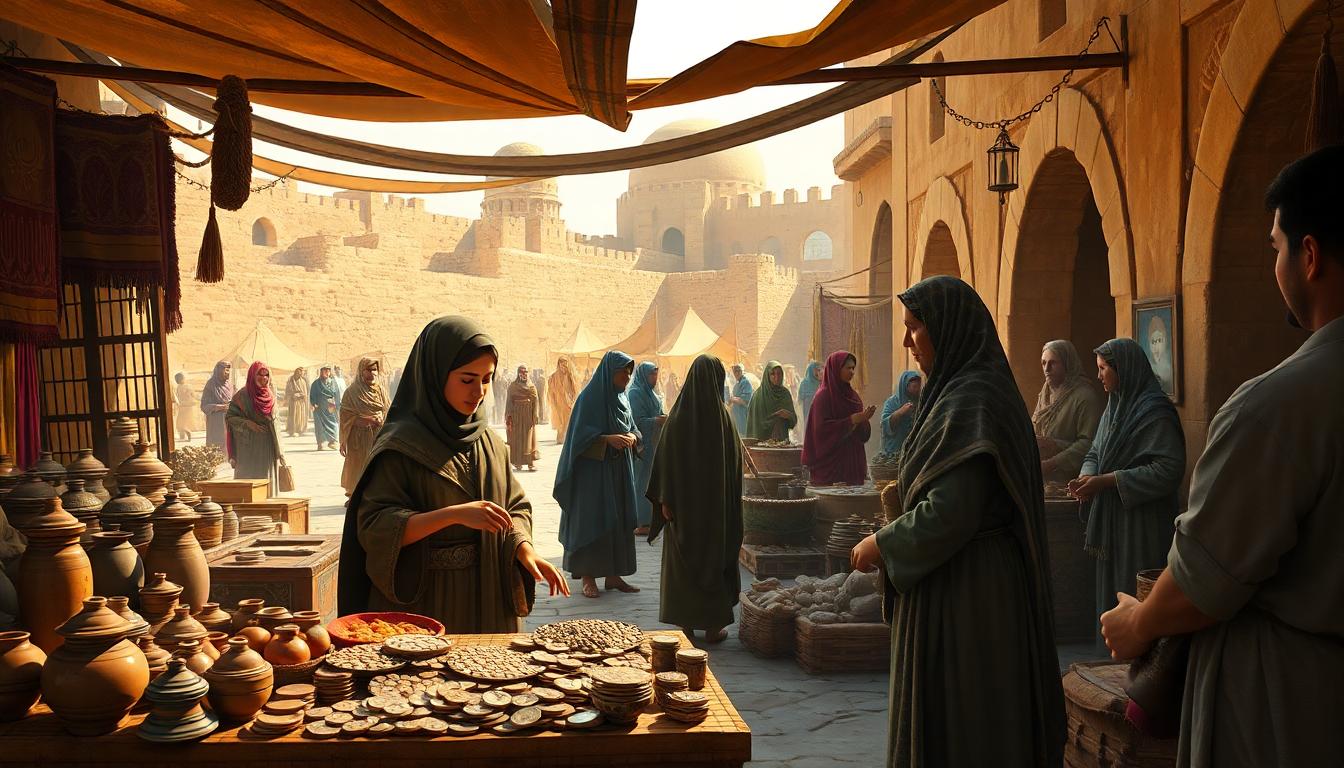
Early Muslim women were not bystanders in economic life. In a time when most societies limited women’s work and ownership, Muslim women claimed a real share in trade, business, and property. Their rights were clear and practical. These advances didn’t just change life for individuals; they set a higher standard for the entire community and influenced generations to come.
Women as Traders and Marketplace Leaders
Walking through a busy bazaar in Medina or Mecca, you would see women dealing in goods, negotiating prices, and even leading market regulation. They were not just customers but active players in supply and demand. Khadijah bint Khuwaylid, for example, was known as a successful and respected merchant before her marriage to the Prophet Muhammad. She managed trade caravans and employed others, showing that business leadership was open to women with skill and trust.
Another standout example is Shaffa bint Abdullah. She was given authority by Caliph Umar to supervise the city’s marketplace. Her job? Make sure sellers were fair, honest, and that the common good came first. Imagine the trust and respect involved—she kept merchants in line and defended consumer rights. This wasn’t a token role; Shaffa’s leadership protected the market’s heart.
Women’s marketplace roles included:
- Running their own stalls or businesses
- Managing trade, including long-distance commerce
- Supervising market operations
- Acting as honest mediators in disputes between buyers and sellers
This presence in public business spaces shattered stereotypes and encouraged other women to take part.
Property Rights: Ownership and Inheritance
The advance of Islam changed how society treated women’s rights to own, keep, and inherit property. Before Islam, women rarely had control over their belongings or land. The new Islamic laws made it clear: women could earn, control, and pass down property without interference.
The Quran granted women the right to keep what they earned and inherit shares from their relatives. No one could take a daughter, sister, or wife’s rightful share just because of her gender. This was revolutionary in a world where women’s property often went straight to male family members.
Key changes included:
- Freedom to own property: Women could buy, sell, rent, or give away what belonged to them.
- Right to inherit: Daughters, wives, mothers, and sisters received set shares.
- Legal independence: Property granted to women could not be claimed by a husband or male relative without her consent.
Let’s look at a quick table highlighting these rights:
| Area of Economic Life | Before Islam | With Islamic Reforms |
|---|---|---|
| Trade Participation | Limited | Encouraged, open to women |
| Property Ownership | Rare | Guaranteed and protected |
| Inheritance | Largely denied | Legally defined portions |
Women like Khadijah didn’t just benefit from these changes—they forged the model. She financed some of the earliest Muslim projects with her own money. Her ability to control and direct her wealth set new norms.
The Meaning for Early Muslim Society
When women used their own wealth to support their families and communities, everyone gained. These advances meant:
- Fresh voices in economic planning
- Stronger, more stable family resources
- Trust in the honesty of the marketplace
Women took on public responsibility, shaped markets, and gave generously. Their work set an example still respected in Islamic societies today. This shift in property rights and business roles was as radical as any other reform, proving women’s contributions belong at the very center of the early Muslim story.
Contributions to Social and Public Life
Women in early Muslim communities took on far more than household roles. They stood out as teachers, advisors, supporters of public causes, and even defenders of their people. Their public contributions broke new ground in education, welfare, and leadership, setting examples that outlasted their lifetimes. Their impact helped shape a community that valued justice, knowledge, and service.
Education and Knowledge Transmission
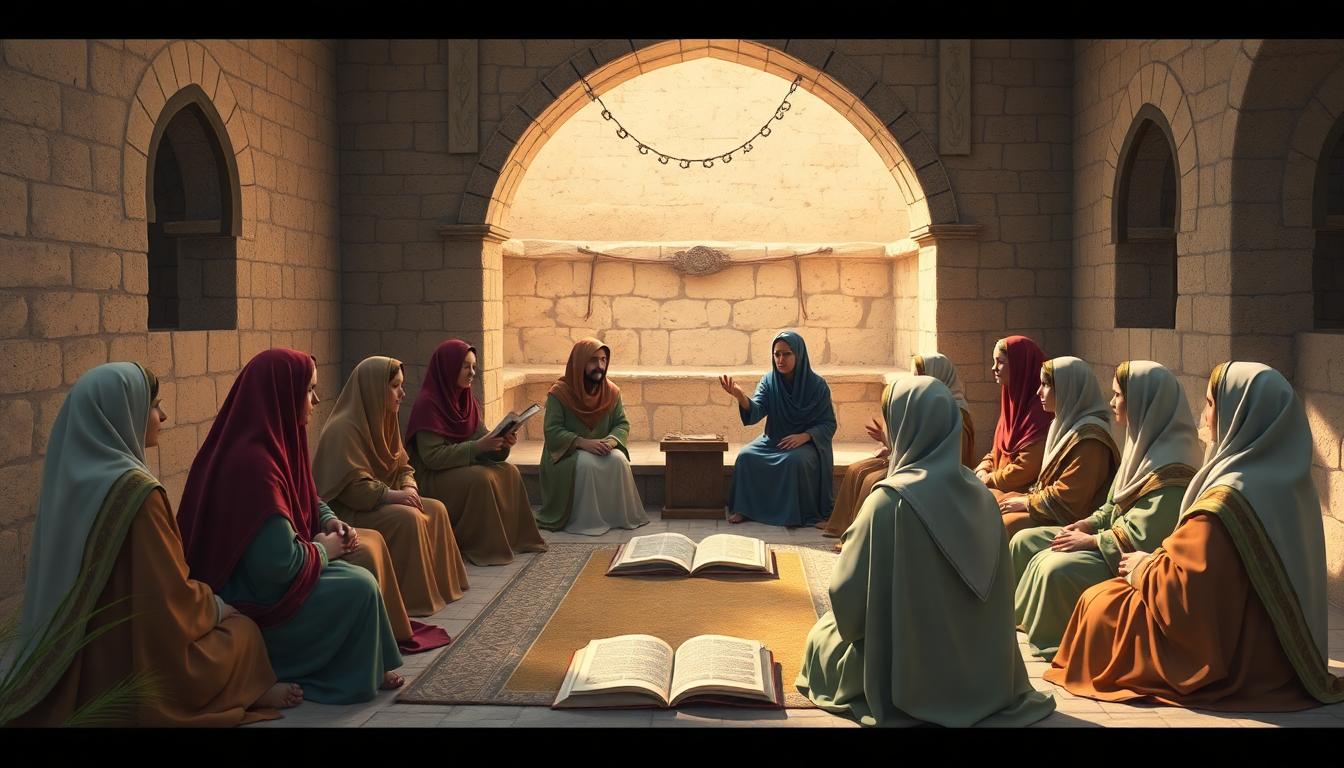
The spread of knowledge in Islam began at home, in mosques, and in lively public circles. Women didn’t just join in—they often led the way. Early Muslim women taught others to read, helped preserve the teachings of the Prophet Muhammad, and made sure religious knowledge reached new generations.
Women as Teachers and Students:
- Many women learned directly from the Prophet Muhammad and his companions.
- They taught children, new Muslims, and even prominent community leaders.
- Homes of respected women often became study circles and hubs for questions about faith.
Influential Female Scholars:
- Aisha bint Abi Bakr stands out as one of the most quoted narrators of hadith. More than two thousand sayings and actions of the Prophet come from her. Her clear answers shaped Islamic law and belief.
- Hafsa bint Umar, another wife of the Prophet, helped preserve the Quran by keeping the first written collection in her care after the Prophet’s death.
- Umm al-Darda was known for teaching leading scholars—male and female—in Damascus and Jerusalem.
- Women like Fatima al-Fihri went further, founding centers of learning that became universities centuries later.
Transmission of Hadith and Quranic Teachings:
The honest memory and sharp insight of women proved crucial. Their firsthand accounts made sure details of faith, morality, and community life stayed authentic. Many male scholars sought the advice and rulings of renowned female scholars, showing the high value placed on women’s voices.
Here’s a glance at standout roles:
| Name | Key Role in Education | Legacy |
|---|---|---|
| Aisha bint Abi Bakr | Chief hadith narrator, teacher | Guided Islamic law and learning |
| Hafsa bint Umar | Protector of Quran manuscript | Preserved Quran for the world |
| Umm al-Darda | Esteemed jurist and teacher | Taught men and women alike |
| Fatima al-Fihri | Founder of al-Qarawiyyin | Established a university |
Women shaped how Muslims learned and worshipped, passing down wisdom for centuries to come. Their thirst for knowledge and steady teaching broke stereotypes and opened doors for girls and women in every generation. Their presence in education wasn’t just accepted—it was deeply respected.
Conclusion
Women helped build and guide early Muslim communities in ways that still matter today. Their leadership, teachings, and work in business and social life raised the whole community and set new standards. Stories of women like Khadijah, Aisha, Shaffa, and others show what happens when people are trusted and respected for their actions.
Recognizing these efforts shapes how we view faith, fairness, and progress. These women proved that strong communities depend on every voice. Take time to share these stories, learn from them, and keep the conversation going.
Thank you for reading. If you found these stories inspiring, share your thoughts below or with friends.


0 Post a Comment:
Post a Comment