
The Five Core Values of Muslim Law in the Quran (Maqasid al-Sharia Explained)
Every rule in Muslim law (Sharia) is rooted in timeless values that make daily choices clear, fair, and just. These values shape not only legal decisions but also guide everyday actions for Muslims around the world. Scholars call these higher objectives the Maqasid al-Sharia, which simply means the greater aims of Islamic law as revealed in the Quran and practiced in tradition.
There are five core values at the heart of this system: protection of religion (din), life (nafs), intellect (aql), lineage (nasl), and wealth (mal). Each value stands for a basic human need that the Quran and Sunnah actively defend. This article will walk you through what each value means, how the Quran supports it, and why understanding these principles makes Islamic law practical and compassionate in today's world.
For a helpful video overview, check out: What Are The Principles Of Maqasid Al-Sharia? - Islamic Knowledge Network
What Is Maqasid al-Sharia?
Maqasid al-Sharia (the objectives of Islamic law) are the backbone of the rules and judgments found in Muslim teachings. Rather than being a web of complicated rules or rigid rituals, Maqasid al-Sharia boils Islamic law down to its highest goals. These aims keep things practical, fair, and balanced, making sure the law always works for people’s good.
Some people imagine religious law as a long list of dos and don’ts, but Sharia’s core is all about purpose. The Maqasid are not a secret code, but a set of timeless, human-centered objectives. They help Muslims, scholars, and even courts decide what’s right when new issues pop up or when tradition isn’t clear. Many scholars see these aims as a compass, pointing Islamic rulings back to their original spirit of justice and care.
Let’s break down what Maqasid al-Sharia means, how it came to be, and what role it plays for anyone trying to follow or understand Islamic law.
Definition and Spirit of Maqasid al-Sharia
The word “Maqasid” comes from Arabic roots meaning intent or purpose. In this context, it refers to the main goals that Islamic law tries to protect and promote. The classic five aims—religion, life, intellect, lineage, and wealth—cover basic needs that every healthy community shares.
Maqasid al-Sharia is about the welfare of everyone, making sure the law isn’t just correct on paper, but good for society. According to many scholars, the real purpose of Sharia is to maximize benefits and reduce harm (learn more about the intent and objectives behind Maqasid). These aims work like safety nets. When balancing between rights, needs, or new societal changes, Maqasid shows lawmakers and families alike which path to choose—always toward justice, compassion, and benefit.
How Scholars Identified the Maqasid
How did scholars figure out these core aims? It didn’t happen overnight. Early experts in Islamic law, starting as far back as the ninth century, pored over Quranic verses and well-known teachings of Prophet Muhammad (Hadith) to find patterns. They realized that, even when the details varied, the underlying concern of the law was always the same: to protect and uplift people.
Some of the most respected thinkers, like Imam al-Ghazali and Imam al-Shatibi, looked for common threads across dozens of rulings. Their method was a careful analysis—spotting what each rule aimed to protect. For example, since both murder and theft were severely restricted or punished, they saw that life and property must be sacred in Islam. Over time, their work revealed that Islamic law circles back, again and again, to these five “higher objectives.” Today, even modern thinkers and courts use these same aims to guide fresh decisions.
Why Maqasid al-Sharia Matters
Maqasid al-Sharia does more than keep laws in check—it anchors the whole legal system in fairness, public good, and wisdom. Rather than fixate on rules for their own sake, it urges everyone to think about why the rule was made in the first place. This makes the law flexible and relevant without losing its roots.
That’s why these underlying aims matter. They keep Islamic rulings practical, humane, and focused on what keeps society balanced. They offer a blueprint for justice and public welfare in every age (explore a scholarly overview of Maqasid and their goals).
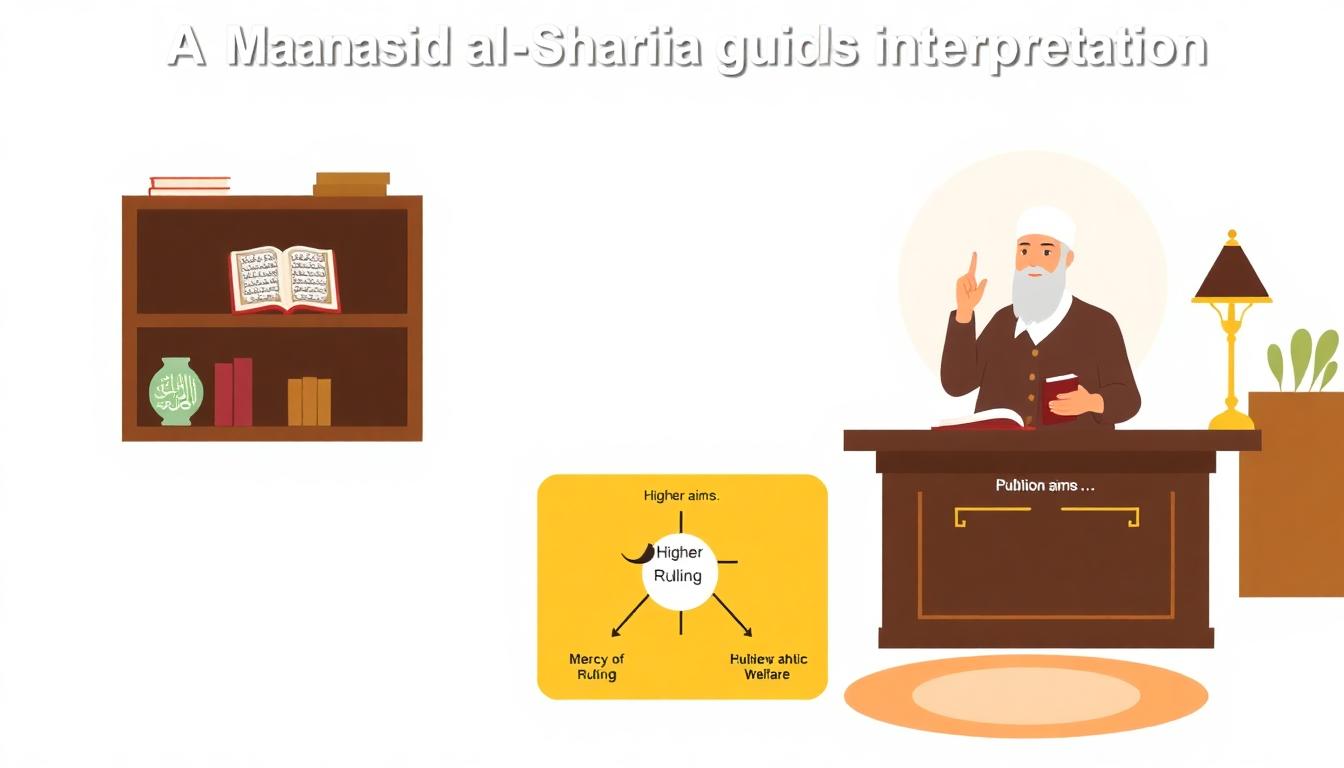
In summary, Maqasid al-Sharia forms the foundation of interpreting and applying every rule in Muslim law, making it real, just, and compassionate for ordinary people. It keeps Islamic principles living and thriving—pairing faith with practicality, even when life gets complicated.
The Five Core Values of Muslim Law in the Quran
Every society needs clear guides to protect its most important strengths. In Islam, the five core values (Maqasid al-Sharia) form an integrated and practical framework. They aren’t just ideals, but real-life safeguards for everyone’s faith, body, mind, family, and property. These values work together to lock in justice, wellbeing, and dignity for both individuals and communities. Let’s break down each value’s meaning, how the Quran supports it, and why these principles are central to both belief and daily life.
Preservation of Religion (Din)

At the center of Islamic law stands the need to preserve religion. The Quran urges respect for faith, freedom to worship, and the safety of places where people pray. Muslims are called to safeguard their beliefs through daily prayers, fasting, and acts that connect them with God. But protection goes even further—Islam honors people’s right to believe and worship without fear.
The Quran specifically calls for the defense of all places of worship, not just mosques. Chapter 22, verse 40, reminds us: “If Allah did not repel some people by means of others, monasteries, churches, synagogues, and mosques, where Allah’s name is much mentioned, would have been demolished.” This duty to protect covers everyone’s spiritual rights, emphasizing freedom and safety for faith communities (see more on protecting places of worship). By upholding this core value, the Islamic legal system supports moral guidance, community unity, and the right to seek meaning.
Key examples in action:
- Daily prayers and fasting as acts of devotion.
- Legal protection for mosques, churches, and synagogues.
- Freedom for all individuals to follow (or explore) their beliefs.
Preservation of Life (Nafs)

All human life has worth. The Quran makes clear that killing is forbidden except for the strictest justice, and even then, mercy is encouraged whenever possible. “Whoever kills a soul… it is as if he has slain all mankind; and whoever saves a life, it is as if he saved all mankind” (Quran 5:32). This verse anchors the sacredness of every individual.
Islamic law includes careful rules to keep people safe, such as bans on murder, assault, and reckless behavior. Social duties like giving charity or caring for neighbors also fall under this value, strengthening health and wellbeing for all. Sharia further promotes healthcare, prevention of harm, and efforts to protect from disease or hardship.
Common ways this value appears:
- Clear rules against violence and neglect.
- Strong support for healthcare and sanitation.
- Community charity (like zakat) used to lift people out of hardship.
Preservation of Intellect (Aql)

The Quran holds learning and thinking in high regard. Study, reflection, and reason are pathways to faith and justice. You’ll find more encouragement to use your mind in the Quran than almost any other holy book. For example, one verse asks, “Are those who know equal to those who do not know?” (Quran 39:9). Seeking knowledge is an act of worship.
To keep the mind safe, the Quran bans intoxicants: “O you who believe, intoxicants and gambling… are abominations of Satan’s handiwork, so avoid them” (Quran 5:90). These teachings are not about restriction for its own sake, but about making sure everyone can think clearly and make good choices. This protection lays the groundwork for wise decision-making and healthy growth—for individuals and society alike.
How this value is applied:
- Encouraging education for all ages and backgrounds.
- Rules against drugs, alcohol, and anything that clouds judgment.
- Supporting honest thought, discussion, and new ideas.
Preservation of Lineage (Nasl)

Family is the bedrock of society in Islam. The Quran champions healthy marriage, the care of children, and strong bonds between relatives. Marriage laws create a stable legal framework, with rules for respect, inheritance, and the rights of spouses. Caring for orphans is singled out for extra attention: “And give to the orphans their property and do not substitute the defective [of your own] for the good [of theirs]” (Quran 4:2).
Laws that protect lineage set up clear boundaries around marriage and parenthood. These rules ensure everyone knows their family ties, which builds honesty and trust at home and in the wider world.
What this looks like:
- Support for marriage as a partnership of respect.
- Care for orphans and children with no family.
- Inheritance rules strengthening family rights and fairness.
Preservation of Wealth (Mal)

The Quran does not shy away from talk about money and property. It recognizes the importance of fairness in trade, clear contracts, and protection from theft or deception. “Do not consume one another’s wealth unjustly…but only [in] lawful business by mutual consent” (Quran 4:29). Islamic law calls for transparency, honest deals, and respect for property, regardless of someone’s background or status.
One special tool here is zakat—obligatory charity given to those in need—which helps spread wealth fairly across society. By linking property rights to moral duties, Islam encourages generosity and responsibility. Inheritance laws also give everyone a fair share while keeping families strong.
Essential features include:
- Legal protections for contracts and property.
- Prohibitions against theft, fraud, and unfair gains.
- Required charity (zakat) and fair inheritance for the vulnerable.
All five values form a clear foundation for building trust, safety, and dignity in every part of life. For a complete overview of their purpose and how these values support ethical society, check out The Higher Objectives of Islamic Law.
Applying the Five Core Values in Muslim Life Today
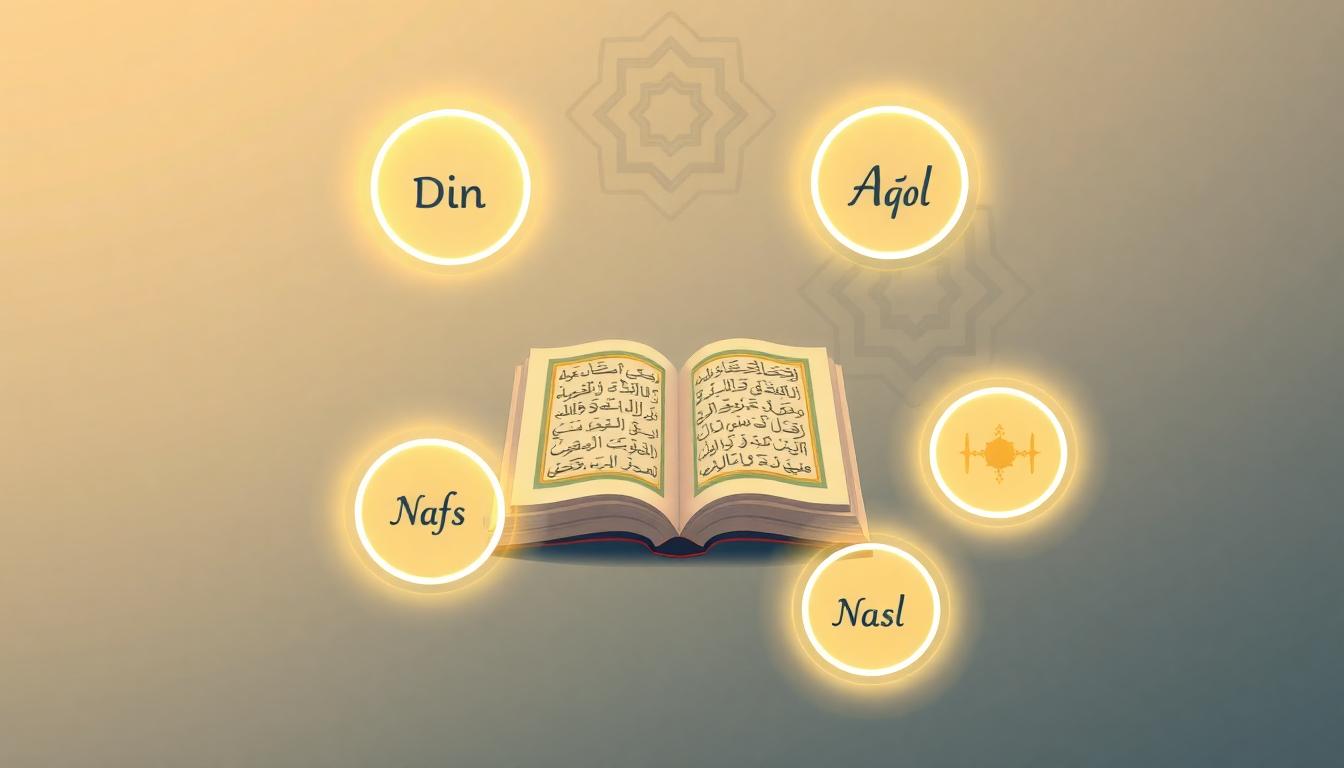
The five core values drawn from the Quran are not just historical or legal curiosities. Across the Muslim world, these aims help people respond to new questions in science, money, technology, and daily life. By rooting choices in these foundational goals, Muslim communities shape laws and ethics that can handle today's challenges with integrity and balance. Let’s explore how each value still guides real, everyday decisions in areas like healthcare, finance, AI, and privacy.
Keeping Faith Relevant: Preservation of Religion
Safeguarding religion means more than just protecting places of worship—it's about making space for faith in fast-changing times. Many Muslim-majority countries support open access to mosques, online Friday sermons, or digital Qurans, so people can keep religious practices alive wherever they are.
In workplaces and schools, the right to pray or wear religious clothing remains a key issue. Institutions that respect these rights honor this core value, building trust and social harmony. Digital access to religious resources also lets people living far from home stay connected to their roots.
Everyday examples:
- Prayer-room access in hospitals and airports.
- Safe online spaces for spiritual learning.
- Anti-bullying rules for religious attire in public schools.
Respecting Every Life: Preservation of Life

Muslims today turn to the principle of life’s sanctity when facing tough questions about medicine, safety, and public policies. This includes guiding responses to pandemics, setting safe work standards, and choosing fair ways to offer healthcare to all.
Bioethics is one field where these values stand out. Medical experts and Islamic scholars often team up when deciding on organ donations, end-of-life care, or new treatments. Modern scholars apply this value to support vaccinations and keep families healthy, reflecting both the letter and spirit of Sharia (see how Maqasid al-Shariah is used in bioethics).
Real-world examples:
- Health campaigns that stress community care.
- Hospital rules on patient dignity and informed consent.
- Using public funds for clean water to prevent disease.
Nurturing Minds: Preservation of Intellect

Modern life depends on creative thinking, learning, and open discussion. Preserving intellect today means working for equal access to education, pushing for science and research funding, and protecting people from misinformation or mental harm.
This value shapes policies that promote STEM learning for all genders and expand literacy programs. It also supports healthy use of technology, helping families set balanced screen-time rules or access online learning safely. Efforts to curb addiction, whether to substances or digital distractions, draw from this principle too.
Simple, practical ways this value shows up:
- Policies to open up science and technology classes to girls and boys.
- Campaigns promoting critical thinking in news and online media.
- Ban on harmful online content that exploits young minds.
Protecting Lineage and Family in Modern Society

Strong families still form the backbone of healthy societies. Laws continue to protect marriage contracts, parental rights, and fair inheritance—from digital wills to custody in complex family setups. Rapid changes in science mean this value now reaches into bioethics and family law, such as rules on IVF, adoption, or protecting children’s identities.
Care for orphans, foster children, and vulnerable adults is another area where this value drives community action. Islamic charities supporting children’s education or families affected by war reflect this principle in action every day.
Current examples include:
- Family-friendly work laws (parental leave, fair workplace policies).
- Digital inheritance laws addressing online assets and privacy.
- Guidance on bioethics, adoption, and protecting personal identity.
Honoring Wealth, Privacy, and Fair Dealings

Preservation of wealth has taken on fresh importance in the digital era. This value shapes both how people handle money, as well as how they protect their personal privacy and digital assets. Strong laws against fraud and support for transparent contracts help protect all parties in online and offline trade.
Today, Islamic finance draws directly from Maqasid principles, focusing on ethical investing, fair returns, and the protection of vulnerable consumers. Even the way personal data is guarded can tie back to this value—safeguarding privacy as part of both wealth and dignity. Experts discuss issues like cryptocurrency and AI ethics through the same lens (learn how Maqasid shapes Islamic finance; AI, privacy, and Maqasid).
Ways this value is lived out today:
- Zakat and charity platforms that make financial help safer and clearer.
- Fraud protection and digital privacy laws.
- Guidelines for ethical investing and banking.
These timeless values keep faith, justice, and social good at the center of the Muslim ethical framework, no matter how the world changes. For more detail on Maqasid-based thinking in medicine, business, or digital ethics, you can check out Maqāsid al-Sharī'a in Islamic Finance and Maqasid Al-Shari'ah and the Ethics of Artificial Intelligence.
Conclusion
The five core values of Muslim law come straight from the Quran and form a practical guide for living with purpose and balance. By protecting faith, life, intellect, family, and wealth, these values help create communities built on dignity, fairness, and care for others.
These principles shape law and daily life for Muslims, but their spirit speaks to everyone. They call for respect and justice, building a strong foundation for well-being and trust in every society. Reflecting on these values can inspire positive choices, no matter your background or beliefs.
Thank you for reading. If these ideas sparked your interest, share your thoughts or experiences with these values in the comments below.


0 Post a Comment:
Post a Comment