
How Safety and the Environment Work Together to Protect Our Health and Communities
Safety and the environment are closely linked in our daily lives. A healthy environment provides clean air, safe water, and spaces that support our well-being. When environmental quality declines, health risks like respiratory problems and accidents tend to rise. Understanding this connection helps us see why protecting our surroundings is essential not just for nature, but for our own safety and community health. This post will explore how environmental factors impact human safety and what role we all play in keeping both in balance.
Understanding Environmental Safety and Its Impact on Health
Environmental safety plays a huge role in shaping how we live and thrive. It means making sure the air we breathe, the water we drink, and the soil where our food grows are free from harmful contaminants. When these vital resources are compromised, our health takes a hit, sometimes in ways we might not immediately see. This section digs into the common hazards we face in our environments and how caring for nature helps keep us safe.
Common Environmental Hazards Affecting Human Life
Think about the world around you: the air, water, soil, and the places we build our homes and cities. Each part has hazards that can threaten health and safety if left unchecked.
- Chemical Pollution: Factories, vehicles, and even everyday household products can release harmful chemicals into the air, water, and soil. These pollutants can cause respiratory issues like asthma, heart problems, and other chronic diseases. For example, polluted air has tiny particles that irritate lungs, making it hard for people, especially children and the elderly, to breathe comfortably.
- Waste Disposal Issues: When garbage isn’t managed properly, it piles up in neighborhoods, creating breeding grounds for pests and spreading diseases. Toxic waste leaching into soil and water can poison communities and farmland, putting people’s safety at risk.
- Natural Disasters: Floods, storms, and earthquakes not only cause immediate injuries but also create long-term health challenges by contaminating drinking water or damaging safe shelter.
- Urbanization Effects: Rapid city growth often means more traffic pollution, limited green spaces, and crowded living conditions. This raises risks like accidents, mental stress, and exposure to harmful pollutants.
Small issues often add up. Water left standing on streets can spread mosquito-borne illnesses. Polluted soil can introduce harmful chemicals into vegetables and fruits. Unsafe construction or damaged roads increase the chances of accidents. These hazards chip away at our well-being and comfort.
For trusted insights into these threats, check out resources like the Environmental Health section of Healthy People 2030. It explains how pollutants impact health and offers ways communities can respond.
The Role of Environmental Conservation in Enhancing Safety
Protecting the environment is not just about saving trees or animals — it’s about making our lives safer and healthier today and tomorrow. Conservation helps keep the natural systems that clean our air, filter our water, and nourish our soil working well.
- When forests and wetlands are preserved, they act like natural filters. Trees absorb pollutants from the air, while wetlands trap contaminants before they reach other bodies of water.
- Healthy soil means crops grow strong, free from harmful chemicals that can enter our food chain.
- Sustainable practices, such as reducing waste, using energy-efficient products, and recycling, reduce pollution and lessen environmental damage.
Think of it as nurturing a garden: when you care for the soil and water, everything grows better and there’s less chance of weeds or pests taking over. Communities with green spaces tend to have better air quality and less stress.
Simple daily choices add up. Turning off unused lights, sorting waste, supporting clean-up events, or buying from eco-friendly businesses all contribute to a safer environment.
Learn more about balancing environmental care and safety in practice at Southern New Hampshire University's detailed guide on Environmental Sustainability and Its Goals.
By protecting nature, we shield ourselves from many risks, building a safer place to live for us and the generations to come.

Photo created with AI
Safety Measures to Protect Human Life in Different Environments
Safety is about more than just avoiding accidents—it’s about creating spaces that support health and well-being while respecting the environment. Whether at home, in the community, or at work, practical environmental safety measures protect us from harm and reduce harmful impacts on nature. Let’s explore how these safety measures look in everyday life and professional settings.
Home and Community Safety with an Environmental Focus
Your home and neighborhood are the front lines for safety and environmental care. The good news is that many simple actions can make a big difference.
Proper waste management prevents pests, pollution, and health issues. Sorting garbage into trash, recycling, and compost keeps toxins out of soil and waterways. Composting food scraps supports local gardens and cuts landfill waste. On collection days, securing bins avoids litter and animals scattering waste around.
Non-toxic cleaning products safeguard household air and water. Conventional cleaners often contain harsh chemicals like ammonia or chlorine that irritate skin and lungs. Switching to products made from plant-based ingredients or homemade solutions (like vinegar and baking soda) improves indoor air quality and reduces chemical runoff. The Washington State Department of Ecology’s Healthy Home Guide offers practical tips on using safer cleaning products.
Maintaining a clean, organized home also lowers accident risks. Clutter-free floors prevent falls, while proper storage of sharp tools and chemicals keeps children and pets safe. Good ventilation limits indoor air pollutants, and fixing leaks quickly stops mold from spreading.
Community safety thrives when neighbors work together. Efforts like regular street cleaning, public recycling programs, and accessible green spaces create safer, healthier environments for everyone. Hosting or joining local clean-up events not only improves the area but builds a culture of care that benefits all residents.
By focusing on these steps, you protect both your family’s health and the environment, creating a safer place to live today and tomorrow.
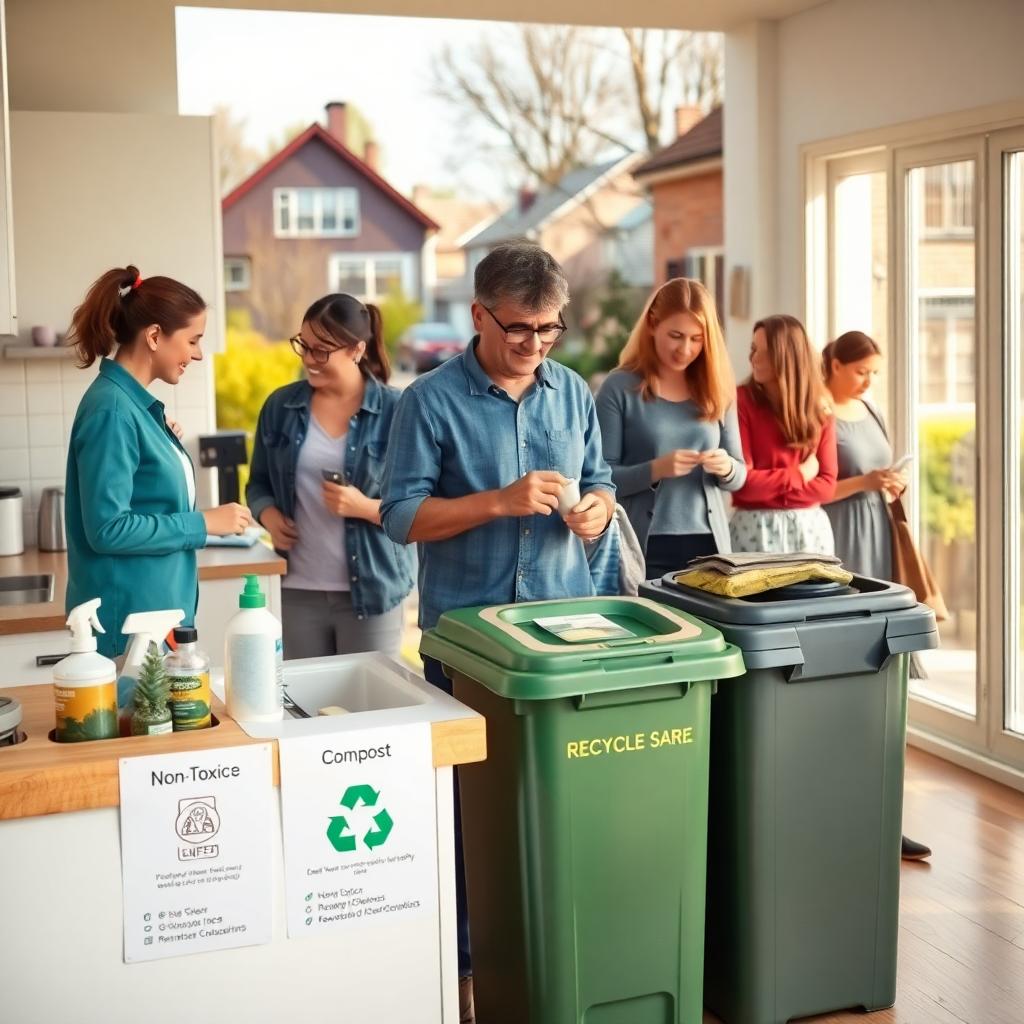
Image generated by AI
Workplace Safety and Environmental Compliance
Workplaces face unique challenges in protecting human life and the environment at the same time. Handling chemicals, waste, and emissions requires strict safety protocols and compliance with regulations.
Workplaces must provide training on safe chemical use, proper personal protective equipment (PPE), and emergency response. Employers should clearly label hazardous materials, store them securely, and maintain ventilation systems to reduce harmful exposures. Workers trained to recognize risks and respond quickly prevent accidents and illnesses.
Waste management in workplaces often involves separating hazardous from non-hazardous materials and disposing of them according to environmental laws. Many industries must perform regular audits and environmental impact assessments to keep pollution in check.
Emergency preparedness is critical. Having clear plans for spills, fires, or natural disasters—and regularly practicing these plans—reduces danger to employees and nearby communities. Safety data sheets (SDS) about hazardous substances must always be accessible to all workers.
Regulatory agencies like OSHA provide thorough guidelines. OSHA’s Personal Protective Equipment overview explains how to protect workers from chemical hazards effectively. Meanwhile, routine inspections and compliance with environmental standards prevent workplace pollution and long-term harm.
Creating a culture where employees are encouraged to report unsafe conditions and participate in safety improvements strengthens these efforts. When employers combine environmental protection with human safety, workplaces become healthier, more productive, and socially responsible.
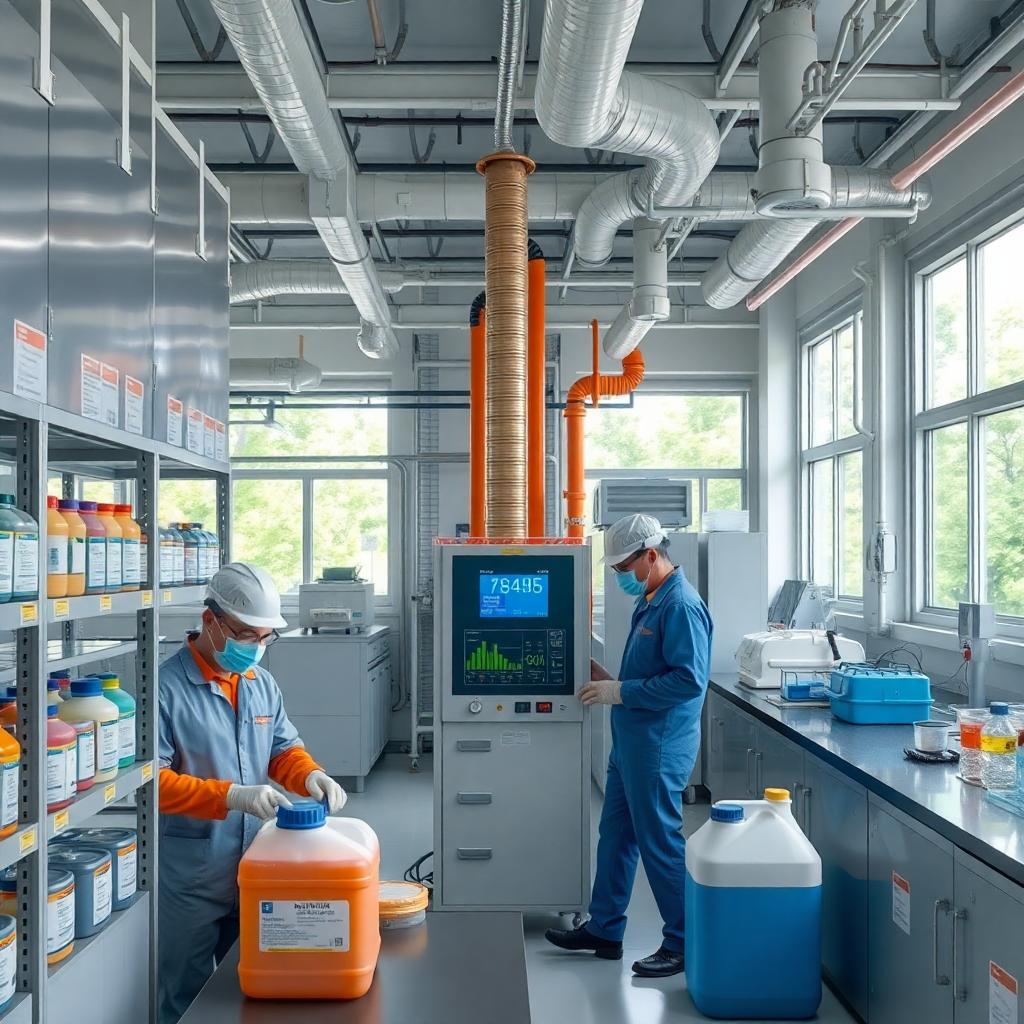
Image generated by AI
Together, these home, community, and workplace safety measures show how protecting people and the environment goes hand in hand. You can learn more about these practices through resources like the Washington State Department of Ecology’s home safety guidance and OSHA’s workplace safety materials.
The Role of Individuals and Communities in Promoting Safety and Environmental Health
Human safety and environmental health are closely tied to the actions taken by individuals and communities alike. Each person’s daily habits influence the environment, while collective community efforts amplify the impact of those habits across neighborhoods and cities. Safety starts with awareness, but grows strongest through shared responsibility and participation. This section explores practical ways you can support environmental safety every day and highlights inspiring community initiatives that make a real difference.
Everyday Actions to Support Environmental Safety
Every small step matters when it comes to keeping the environment clean and safe. Simple changes in your daily routine can protect natural resources and reduce hazards that affect health.
Here are some easy actions anyone can do:
- Reduce waste: Cut down on single-use plastics, bring reusable bags when shopping, and avoid disposable cutlery. Less waste means less trash that could pollute soil and water.
- Sort and recycle: Properly separate recyclables like paper, glass, and plastics from trash. Recycling saves energy and keeps harmful items from ending up in landfills.
- Conserve energy: Turn off lights and electronics when not in use. Lower heating and cooling needs reduce pollution from power plants.
- Use water wisely: Fix leaks, take shorter showers, and collect rainwater for plants. Protecting water resources prevents contamination and scarcity.
- Join local clean-ups: Participate in or organize trash pickups at parks or riverbanks. Removing litter prevents it from harming wildlife and falling into water supplies.
- Choose eco-friendly products: Use non-toxic cleaners and buy from companies that prioritize sustainability.
When these habits multiply across a community, their impact grows big. Imagine hundreds of households saving energy and reducing waste daily—pollution drops, public spaces stay cleaner, and health risks fall. Each person’s effort is like a thread weaving safety and health into the fabric of the community.
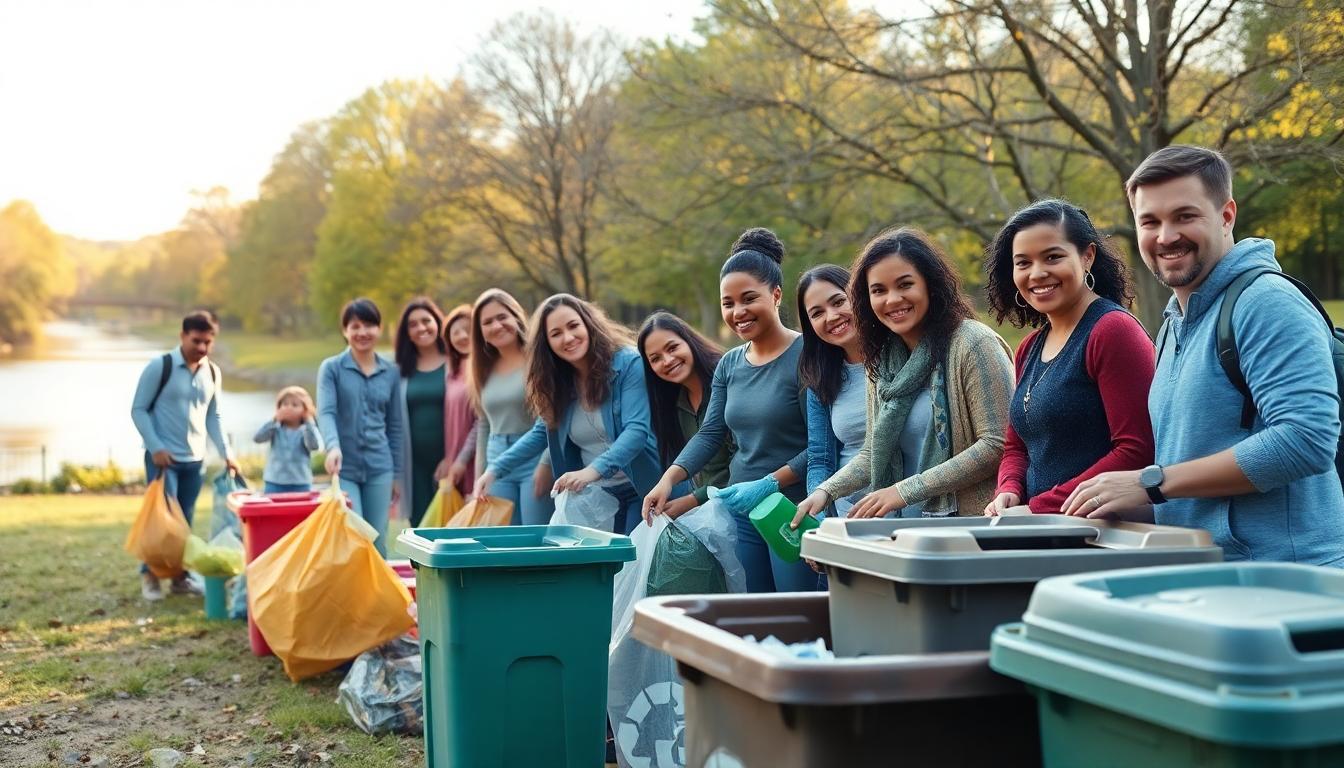
Community joining forces to promote a cleaner, safer environment. Image generated by AI.
Community Programs and Awareness Campaigns
Communities can multiply the efforts of individuals by creating organized programs and spreading awareness. These initiatives provide education, resources, and support that empower everyone to participate in environmental safety.
Some successful community programs include:
- Recycling education and programs: Many towns run campaigns teaching residents what and how to recycle properly. This reduces contamination of recyclables and increases participation. Municipal leaders often highlight how recycling reduces landfill waste and saves energy. The National League of Cities emphasizes this approach.
- Disaster preparedness workshops: Local governments and organizations hold sessions to educate people on protecting themselves and the environment before, during, and after natural disasters. This can include plans for debris management and avoiding pollution caused by floods or storms. The Environmental Protection Agency provides detailed plans on material and waste management for emergencies.
- Environmental campaigns and clean-up drives: Communities host events that raise awareness about pollution, conservation, and sustainability. These efforts often involve volunteers clearing trash from public spaces and sharing tips for environmentally friendly living.
- Youth education programs: Teaching children about environmental safety creates long-lasting habits and inspires future leaders. Schools partner with community groups to offer hands-on activities and lessons.
When communities come together, they create a network of support that encourages active participation. Residents learn from each other, share resources, and advocate for policies that protect both safety and the environment. This shared commitment builds stronger, healthier neighborhoods where everyone has a stake in preserving resources and reducing hazards.
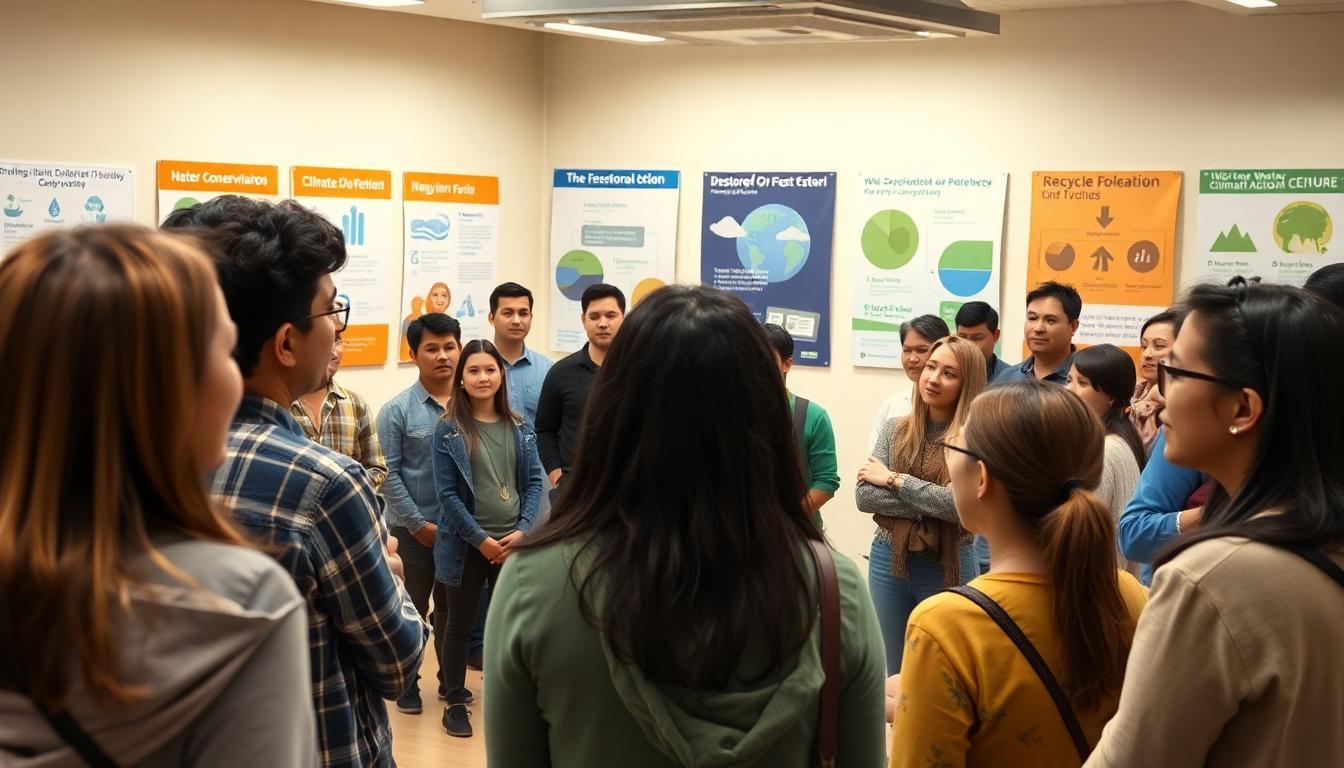
Neighbors attend an environmental safety workshop to learn how to protect their community. Image generated by AI.
By contributing as individuals and supporting community efforts, we create safer environments and healthier lives. The power of personal responsibility combined with collective action forms the strongest foundation to protect both people and the planet.
Learn more about how local groups improve environmental and safety outcomes through the Green Recovery program by WWF.
Future Challenges and Innovations in Environmental Safety
As the world changes, so do the challenges we face in keeping the environment safe. Climate change, urban growth, and increasing pollution put pressure on ecosystems and human communities alike. At the same time, smarter technologies and stronger global partnerships offer new hope. Let’s explore how advances in technology and global policies are shaping a safer environment for all of us.
Technological Advances Supporting Environmental Safety
Technology is stepping in as a powerful ally to monitor and reduce environmental risks. New tools help us detect pollution fast, build safer spaces, and turn to cleaner energy sources.
- Pollution Monitoring Systems: Sensors placed in cities and rural areas continuously track air and water quality. These systems send real-time data to dashboards, allowing governments and communities to respond quickly to hazards like toxic smog or contaminated water supplies. Remote drones and satellites add perspective, reaching places that are hard to access.
- Green Building Materials: The construction industry is transforming with materials that reduce environmental footprint and improve safety. High-performance glass panels lower energy use, while advanced timber treatments increase fire resistance. These materials help build healthier indoor environments and cut greenhouse gas emissions.
- Renewable Energy Sources: Solar panels, wind turbines, and other clean energy technologies reduce reliance on fossil fuels, lowering pollution and climate risks. Innovations like floating offshore wind farms and improved solar cells keep renewable energy growing and more affordable.
These technologies work together like a safety net, catching problems before they escalate and reducing the harms traditionally tied to urban and industrial growth. They also offer communities greater control over their health and surroundings, making everyday life safer and more sustainable.

Image generated by AI
Global Efforts and Policies for a Safer Environment
No single country can tackle environmental risks alone. Global challenges demand global cooperation. Several international agreements and policies coordinate actions to protect both human health and the planet.
- The Paris Agreement: This legally binding treaty brings together nations to limit global warming to well below 2 degrees Celsius. By cutting carbon emissions and funding adaptation projects, it aims to reduce climate-related hazards like extreme weather, rising seas, and health threats worldwide.
- The Sustainable Development Goals (SDGs): These 17 goals set by the United Nations cover environmental health, access to clean water, sustainable cities, and climate action. Governments and organizations work together on these targets to improve lives while protecting nature.
- Multilateral Cooperation: Agencies like the UN Environment Programme and partnerships among governments, NGOs, and businesses promote shared resources, research, and funding. These efforts amplify local initiatives and enforce environmental laws.
Global agreements build a framework for long-term environmental safety by encouraging transparency, innovation, and mutual accountability. They remind us that protecting the environment is tied directly to securing our futures and those of generations to come.
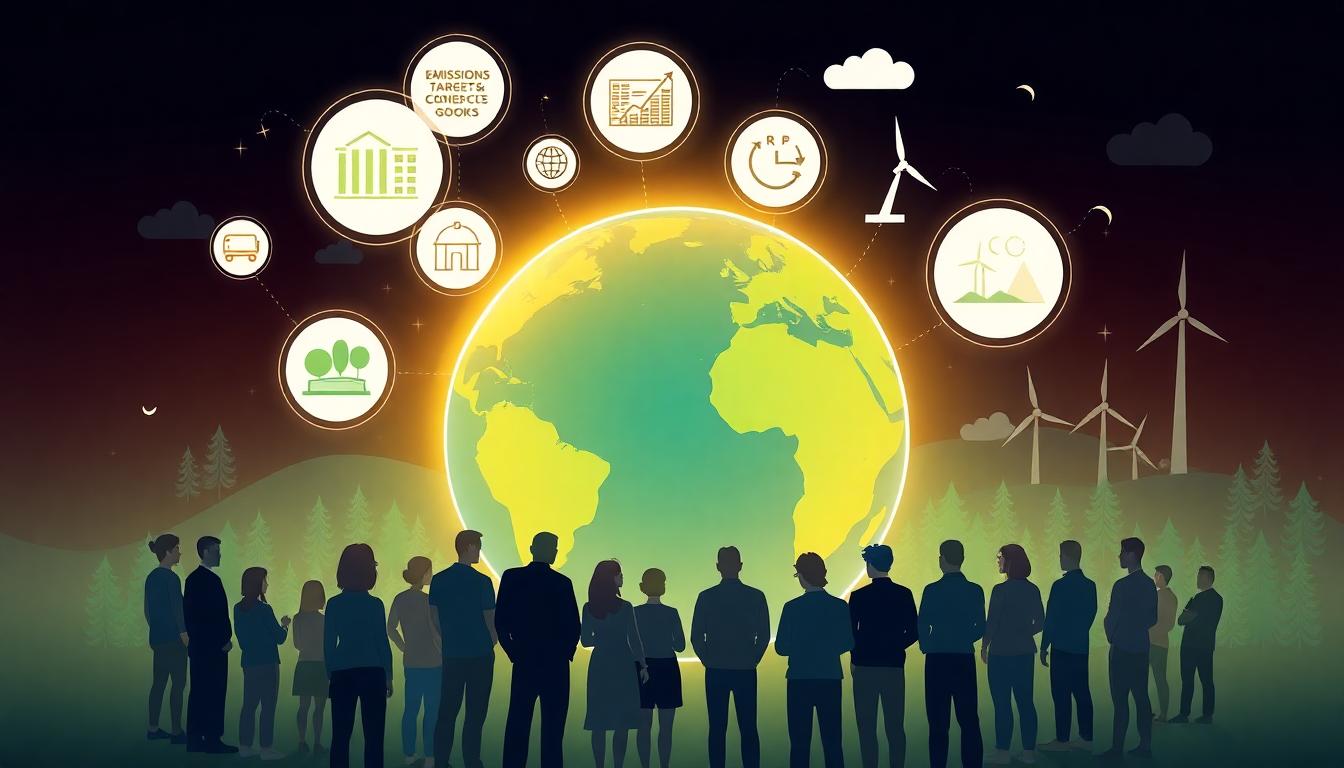
Image generated by AI
To explore the significance of these global policies and their impact, visit the official UNFCCC page on the Paris Agreement and the Sustainable Development Goals site. Both provide detailed insights on how international cooperation is shaping a safer future for people and the environment.
Conclusion
The connection between safety and the environment is clearer than ever, showing how closely our health depends on protecting the world around us. Healthy air, clean water, and safe spaces reduce risks—from chronic illnesses to accidents—strengthening communities and quality of life.
Each of us plays a vital role in this balance. Simple actions, like reducing waste or supporting local green efforts, build safer environments for everyone. As new technology and stronger policies continue to evolve, staying informed and engaged can make a real difference.
Taking responsibility today protects not just ourselves, but future generations. Let’s commit to safeguarding our environment and safety together—because a healthy planet means safer, healthier lives for us all.


0 Post a Comment:
Post a Comment